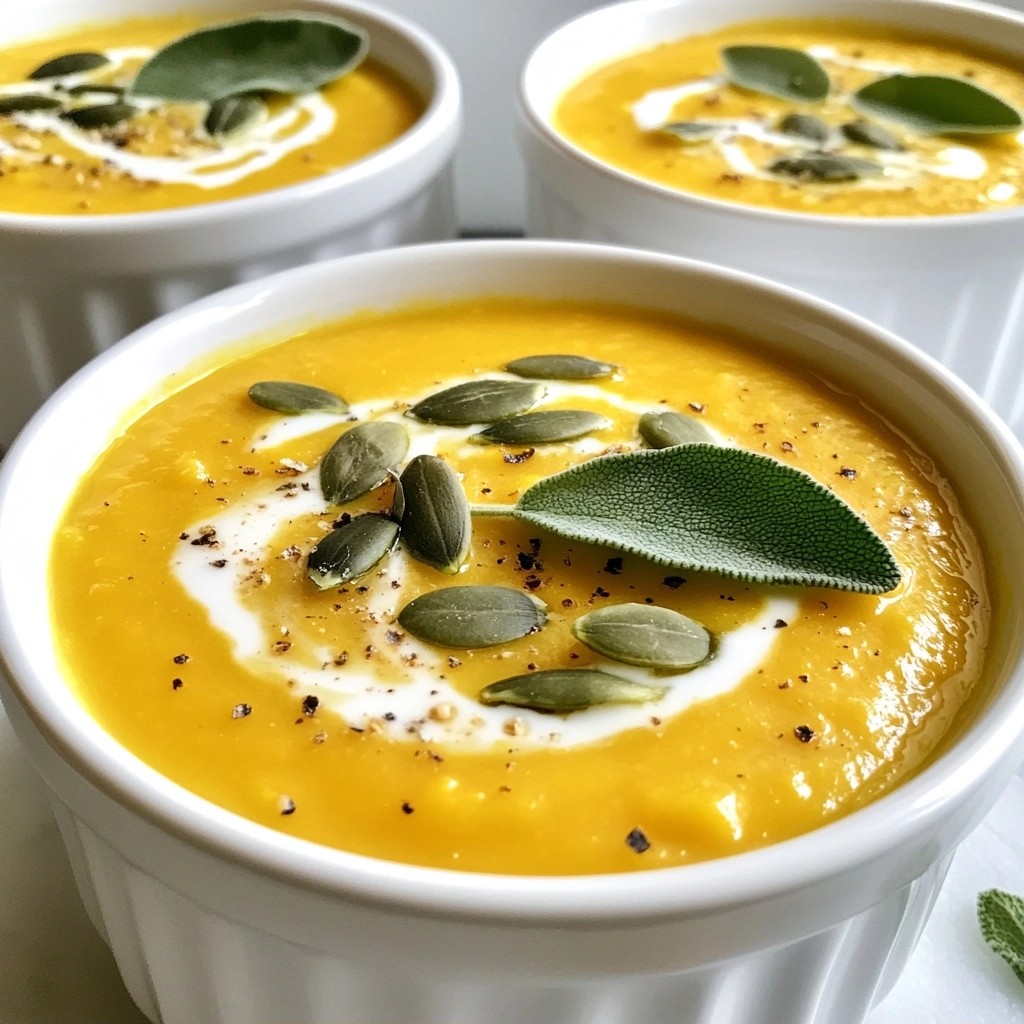
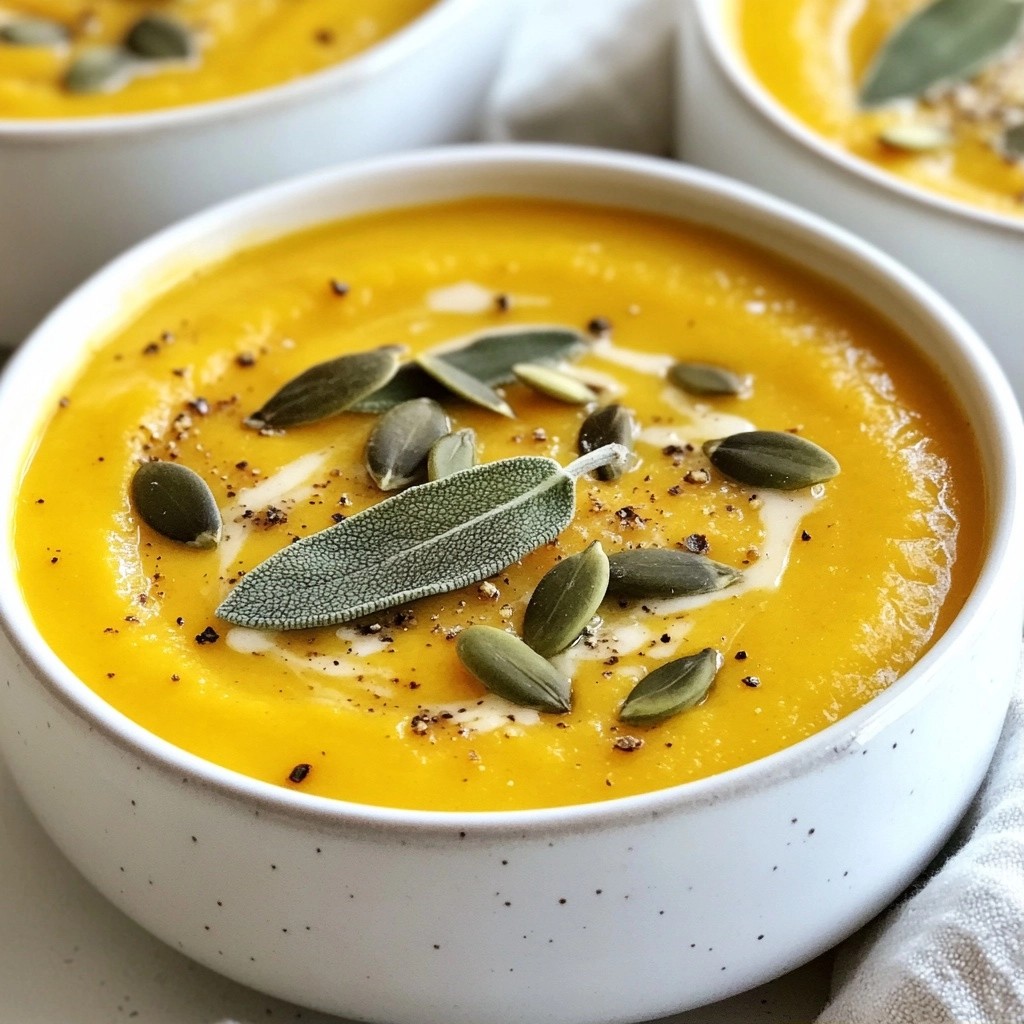
Are you ready to impress your guests this Thanksgiving? My Velvety Thanksgiving Pumpkin Sage Soup is the perfect centerpiece for your holiday meal. With comforting flavors and a smooth texture, this soup warms hearts and bellies. In this post, I'll share every detail you need, from essential ingredients to clever tips, ensuring you create a dish everyone will love. Let’s dive into this delightful recipe together!
Why I Love This Recipe
- Comforting Flavors: This soup combines the warm, earthy flavors of pumpkin and sage, making it a perfect dish for cozy fall evenings.
- Easy to Prepare: With simple ingredients and straightforward steps, this recipe is perfect for both novice and experienced cooks.
- Healthy & Nourishing: Loaded with nutrients from pumpkin and coconut milk, this soup is both delicious and good for you.
- Festive Presentation: The vibrant orange color and optional garnishes make this soup a stunning centerpiece for your Thanksgiving table.
Ingredients
List of Essential Ingredients
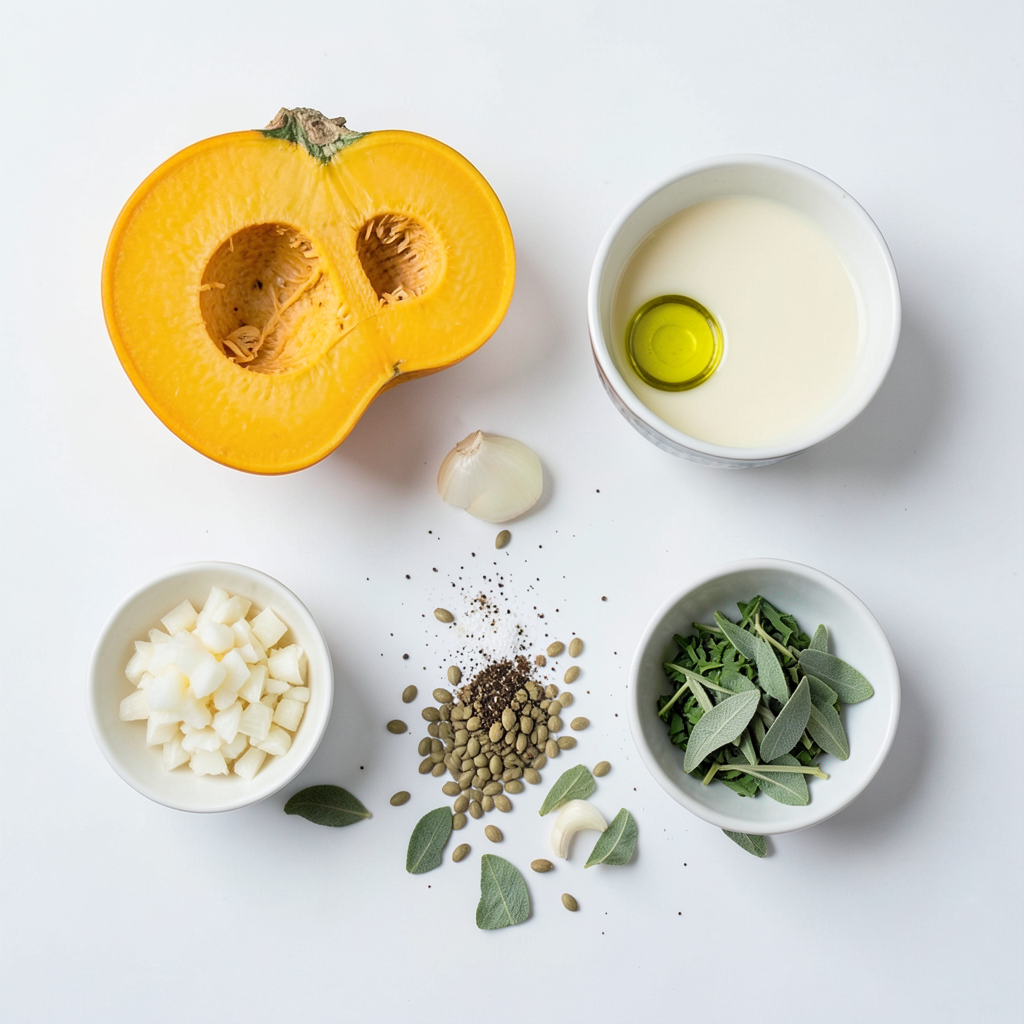
To make this velvety Thanksgiving pumpkin sage soup, gather these key items:
- 1 medium-sized pumpkin (about 3-4 pounds), halved and seeded
- 2 tablespoons olive oil
- 1 medium onion, diced
- 3 garlic cloves, minced
- 4 cups vegetable broth
- 1 cup coconut milk (or heavy cream)
- 1 teaspoon ground nutmeg
- 1 tablespoon fresh sage, chopped (or 1 teaspoon dried sage)
- Salt and pepper to taste
These ingredients create a rich base for the soup. The pumpkin adds sweetness. The sage gives it a warm, earthy flavor.
Optional Garnishes
Garnishes can elevate your soup. Here are some tasty options:
- Pumpkin seeds
- Crispy sage leaves
These add crunch and a burst of flavor. They make your dish look beautiful too.
Ingredient Substitutions
You can swap ingredients based on what you have. Here are some ideas:
- Use butternut squash instead of pumpkin for a similar taste.
- Swap olive oil with melted butter for a richer flavor.
- Use almond milk instead of coconut milk for a lighter option.
These substitutions keep the soup delicious while fitting your pantry. Always feel free to experiment!
Step-by-Step Instructions
Preparing the Pumpkin
To start, preheat your oven to 400°F (200°C). Next, take your pumpkin and cut it in half. Scoop out the seeds and stringy bits. Brush the cut sides with olive oil to add flavor. Place the pumpkin halves cut-side down on a baking sheet. Roast them for about 40-50 minutes. You want the flesh to be soft and easy to pierce with a fork. Once done, let it cool for a bit. When it's cool enough, scoop out the pumpkin flesh and set it aside.
Cooking the Base
In a large pot, heat 2 tablespoons of olive oil over medium heat. Add the diced onion and sauté it for about 5-7 minutes. You want the onion to soften and become translucent. Next, add the minced garlic and cook for 1-2 minutes. This will make your kitchen smell amazing! Now, stir in the roasted pumpkin flesh. Pour in 4 cups of vegetable broth, 1 cup of coconut milk, 1 teaspoon of nutmeg, and 1 tablespoon of sage. Bring everything to a simmer. Lower the heat and let it simmer for 10-15 minutes. This helps the flavors mix well.
Blending and Finishing Touches
When the soup simmers, it’s time to blend. Use an immersion blender to puree the soup until it’s smooth. If you don’t have one, carefully transfer the soup in batches to a countertop blender. Make sure to blend well! After blending, season the soup with salt and pepper to taste. If the soup is too thick, add more vegetable broth until it reaches the right consistency. Serve it hot, and if you like, garnish with pumpkin seeds and crispy sage leaves for a nice touch.
Tips & Tricks
How to Ensure a Velvety Texture
To make your soup smooth, blend it well. I use an immersion blender, but a countertop blender works too. Always blend in small batches to avoid spills. If your soup feels too thick, add more vegetable broth for a lighter texture. This soup should feel creamy but not heavy.
Flavor Enhancements
Want to boost the flavor? Try adding a bit of maple syrup for sweetness. A dash of cayenne pepper can add a warm kick. You can also mix in some fresh herbs, like thyme or parsley. Each adds a unique touch that brightens the soup. Remember, taste as you go to find your perfect balance.
Common Mistakes to Avoid
Don’t rush the roasting of the pumpkin. If it’s undercooked, your soup will lack depth. Make sure to sauté the onion until it’s soft. This step builds a strong base flavor. Also, be careful with salt. Taste before adding more, as the broth may already have salt. Avoid over-blending, which can make the soup too thin.
Pro Tips
- Choose the Right Pumpkin: For the best flavor, select a sugar pumpkin or pie pumpkin, which are sweeter and more flavorful than larger carving pumpkins.
- Enhance the Flavor: Consider adding a pinch of cinnamon or a splash of apple cider vinegar to elevate the soup's flavor profile.
- Adjust the Creaminess: If you prefer a richer soup, use heavy cream instead of coconut milk or mix both for a unique flavor.
- Garnish Creatively: Experiment with different toppings like croutons, a drizzle of balsamic reduction, or a sprinkle of smoked paprika for added depth.
Variations
Vegan Adaptations
You can easily make this soup vegan. Just replace the coconut milk or heavy cream with more vegetable broth. This keeps the soup creamy and rich. You can also add cashew cream for an extra layer of flavor. Simply blend soaked cashews with water until smooth. This will give your soup a nice texture and taste.
Seasonal Additions
Feel free to add seasonal veggies. Carrots, sweet potatoes, or butternut squash work great. These veggies add depth and sweetness to the soup. You can also toss in some roasted red peppers for a smoky flavor. Add them when you blend the soup for a bright color and taste.
Spice Adjustments
You can adjust the spices to fit your taste. If you like heat, add a pinch of cayenne pepper. For a warm, cozy flavor, try adding cinnamon or allspice. Just a little can change the soup's flavor profile. Taste as you go to find your perfect balance.
Storage Info
How to Store Leftovers
Store your leftover soup in a container with a tight lid. Let the soup cool to room temperature first. Place the container in the fridge. It will stay fresh for up to four days. You can also store smaller portions for easy meals later.
Reheating Instructions
Reheat the soup on the stove over medium heat. Stir often to prevent sticking. You can also microwave it in a safe bowl. Heat in short intervals, stirring in between. Make sure it’s hot throughout before serving.
Freezing the Soup
To freeze the soup, let it cool completely. Pour it into freezer-safe bags or containers. Leave some space for expansion. The soup can last up to three months in the freezer. When you’re ready to eat, thaw it overnight in the fridge. Reheat as described above.
FAQs
Can I use canned pumpkin instead of fresh?
Yes, you can use canned pumpkin. It saves time and is easy to find. One 15-ounce can works well for this soup. Just skip the roasting step. Canned pumpkin gives a smooth texture, but fresh adds more flavor.
How long can the soup be stored?
You can store the soup in the fridge for up to five days. Make sure to keep it in an airtight container. Let it cool completely before you put it away. If you want to keep it longer, freeze it for up to three months.
What can I serve with pumpkin soup?
Pumpkin soup pairs well with crusty bread or salad. A simple green salad adds a nice crunch. You could also serve it with grilled cheese for a cozy meal. For a festive touch, add some spiced nuts or crispy sage leaves as a garnish.
In this post, we covered essential ingredients for flavorful pumpkin soup. You learned step-by-step instructions to prepare, cook, and finish your dish. I shared tips for a creamy texture and ways to boost flavor. You also discovered variations to suit different diets and how to store leftovers.
Making pumpkin soup is fun and flexible. Try your own twists, and enjoy the process! Happy cooking!