

Get ready to warm up this Thanksgiving with my Seasonal Butternut Squash and Sage Soup! This dish combines sweet butternut squash and fragrant sage for a cozy treat. I’ll guide you through easy steps, from prepping veggies to perfecting the flavor. Whether you want to impress your guests or simply enjoy a tasty bowl, this soup is the answer. Let’s dive into the delicious details!
Why I Love This Recipe
- Comforting Flavor: This soup captures the essence of fall with its rich butternut squash and aromatic sage, providing a warm and cozy meal for chilly days.
- Easy to Prepare: With minimal ingredients and straightforward steps, this soup can be made quickly, making it perfect for busy holiday preparations.
- Healthy Ingredients: Packed with nutritious squash and wholesome coconut milk, this soup is not only delicious but also a great choice for a healthy meal option.
- Beautiful Presentation: Garnished with pumpkin seeds and fresh sage, this soup not only tastes great but also looks elegant, making it perfect for holiday gatherings.
Ingredients
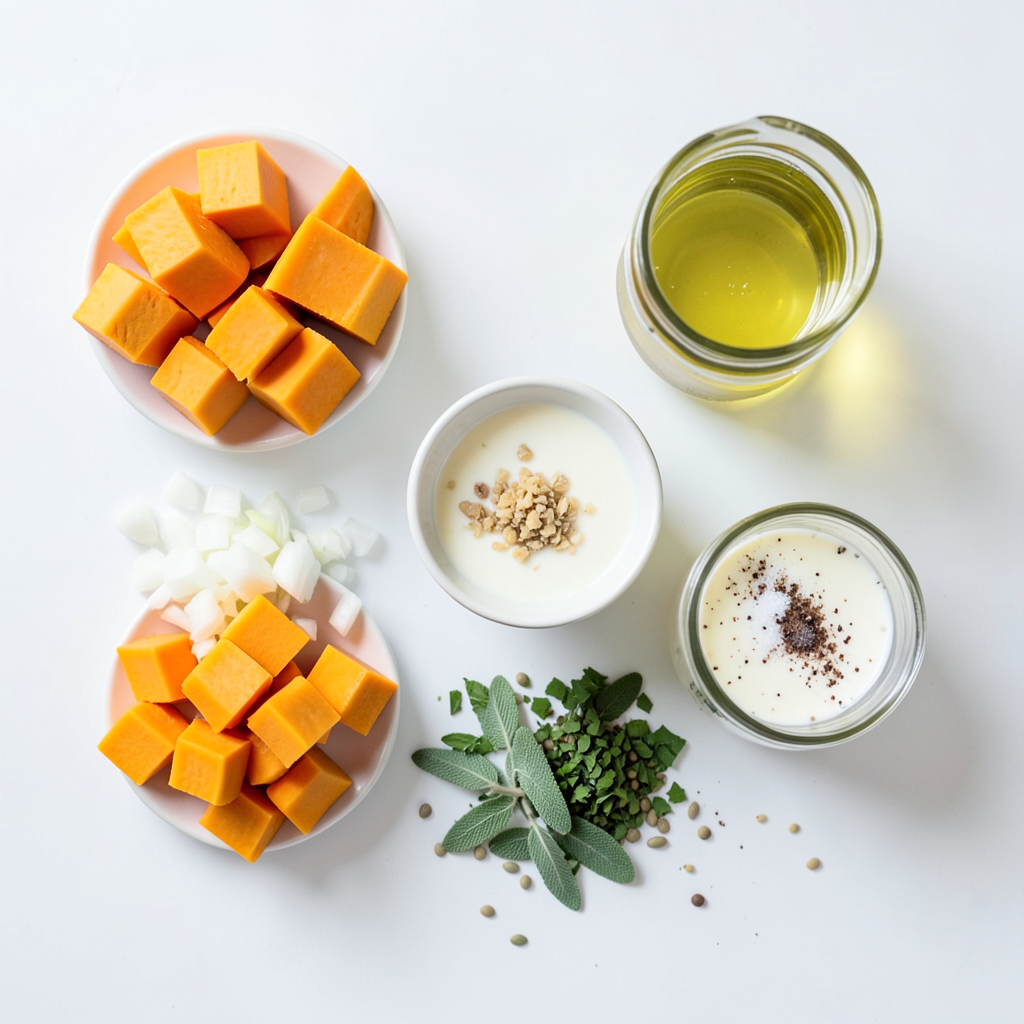
Detailed Ingredient List
- Butternut squash: Use one medium butternut squash, peeled and cubed. This gives a sweet and creamy base for the soup.
- Onion and garlic: One large onion, diced, and two cloves of minced garlic add depth and flavor. They create a lovely aroma that warms the heart.
- Vegetable broth and coconut milk: Four cups of vegetable broth provide a savory foundation. A cup of coconut milk adds creaminess and a hint of sweetness.
- Fresh and dried sage: Use two tablespoons of fresh sage, chopped, or one tablespoon of dried sage. Sage brings a warm, earthy note that pairs well with squash.
- Olive oil and seasonings: Two tablespoons of olive oil help sauté the onion and garlic. Season with salt and pepper to taste, and add a pinch of nutmeg for warmth.
- Optional garnishes: Consider pumpkin seeds for crunch. A drizzle of coconut milk and fresh sage leaves make the soup look beautiful and inviting.
Step-by-Step Instructions
Prepping the Vegetables
1. Start with a large pot. Heat the olive oil over medium heat.
2. Add the diced onion and sauté it for 5-7 minutes. You want it to turn soft and clear.
3. Next, add the minced garlic. Cook for 1-2 minutes. Stir often, so it does not burn.
4. Stir in the cubed butternut squash and chopped sage. Cook for 3-4 minutes. This step brings out their flavors.
Blending and Finishing the Soup
1. Pour in the vegetable broth. Increase the heat until it boils.
2. Lower the heat to a simmer. Cover the pot and cook for 20-25 minutes. The squash should be tender when done.
3. Take the pot off the heat and let it cool slightly.
4. Use an immersion blender to mix the soup until smooth. If you don't have one, you can use a regular blender. Do this in small batches.
Final Touches
1. Return the smooth soup to the pot. Stir in the coconut milk.
2. Season with salt, pepper, and a pinch of nutmeg if you like.
3. Heat the soup gently on low heat until it is warm. Taste it and adjust the seasonings as needed.
Tips & Tricks
Perfecting Texture and Flavor
To make a creamy soup, start by cooking the squash well. Use a sharp knife to cube the squash evenly. This helps it cook at the same rate. Sauté the onion in olive oil until soft. This adds sweet flavor. Then, add minced garlic for a rich taste. Cook it just a minute or two. Too long can burn it.
Season your soup with salt and pepper. A pinch of nutmeg adds warmth. If you use fresh sage, chop it finely. This helps release its oils. Dried sage works too. It adds flavor but less freshness. Taste your soup as you cook. Adjust the seasonings to your liking.
Serving Suggestions
Serve the soup hot in bowls. A sprinkle of pumpkin seeds gives a nice crunch. Drizzle some coconut milk on top for creaminess. You can add fresh sage leaves for color. This makes the dish look lovely.
Pair this soup with crusty bread or a fresh salad. A simple green salad with vinaigrette goes well. You can also serve it as a starter before your main meal. The flavors of the soup are perfect for Thanksgiving.
Preparing in Advance
You can make this soup ahead of time. It keeps well in the fridge for a few days. Just let it cool before putting it in a container. To reheat, warm it gently on the stove. Stir it often to keep it smooth.
If you're making it even earlier, freeze it! Use freezer-safe containers. Leave some space at the top, as soup expands. When ready to eat, thaw it in the fridge overnight. Then, reheat it as before for a quick, tasty meal.
Pro Tips
- Choose the Right Squash: Opt for a firm and heavy butternut squash with a smooth, unblemished skin for the best flavor and texture.
- Enhance the Flavor: Sauté the squash for a few minutes before adding the broth to deepen the flavor profile of the soup.
- Texture Tips: For a creamier texture, blend the soup longer or add an additional splash of coconut milk before serving.
- Garnish for Appeal: Top with roasted pumpkin seeds and a drizzle of coconut milk for an elegant presentation and added crunch.
Variations
Dietary Adjustments
For those with dietary needs, this soup can easily adapt. You can make it vegan by using vegetable broth and coconut milk, which are both plant-based. This recipe is naturally gluten-free, so there’s no need to change anything.
If you want a low-carb option, reduce the butternut squash. You can swap it for cauliflower. A blend of roasted cauliflower and sage gives a nice flavor. This keeps the soup light and tasty.
Flavor Variations
Feel free to get creative with herbs and spices. Try adding thyme or rosemary for a different taste. A hint of cayenne pepper can add a little heat. You could also sprinkle in some cinnamon for warmth.
For blending liquids, swap coconut milk for almond milk or cashew cream. Both options add a nice creaminess without the coconut flavor. You can even use broth only for a lighter soup.
Storage Info
Refrigeration Tips
After making your soup, let it cool down. Pour it into a container with a lid. Store it in the fridge. This soup stays fresh for about 3 to 5 days. Make sure the soup is covered well to prevent it from absorbing other smells.
Freezing Guidelines
If you want to keep it longer, freezing is a great option. First, cool the soup completely. Next, pour it into freezer-safe bags or containers. Leave some space at the top, as the soup will expand when frozen. Label the bags with the date. It can last for up to 3 months in the freezer.
Reheating Instructions
To reheat, take the soup out of the fridge or freezer. If it’s frozen, let it thaw in the fridge overnight. Heat it in a pot over low heat. Stir often to keep the flavors rich. You can also use a microwave. Just heat it in 30-second bursts, stirring in between. This will help it warm evenly without losing flavor.
FAQs
Common Questions About the Recipe
Can I use frozen butternut squash? Yes, you can use frozen butternut squash. It saves time and is easy to use. Just thaw it before cooking. Frozen squash works well in soups since it will blend smoothly.
What can I substitute for coconut milk? You can use almond milk or cashew milk as a substitute for coconut milk. Both add creaminess and a nice flavor. If you want a richer taste, use heavy cream or half-and-half.
Cooking and Ingredient Queries
How to make soup thicker or creamier? To make the soup thicker, add more butternut squash. You can also use less broth. For a creamier texture, blend in more coconut milk or add some cooked potatoes.
Can I use a different type of squash? Yes, you can use pumpkin or acorn squash instead of butternut squash. Each type brings its own flavor. Just remember to adjust cooking time if needed.
General Cooking Tips
How to properly sauté onions? Start by heating the oil in your pot. Add diced onions and cook them over medium heat. Stir often until they turn soft and clear, about 5 to 7 minutes. This brings out their sweetness.
What are the benefits of using fresh sage? Fresh sage adds a bright flavor to your soup. It gives a warm, earthy taste that pairs well with squash. Plus, sage has health benefits like aiding digestion and reducing inflammation.
This article covered a tasty butternut squash soup recipe. We explored the key ingredients, like onion, garlic, and coconut milk. I shared step-by-step instructions, tips for perfecting flavor, and ideas for serving. We also discussed variations for different diets and best storage practices.
In the end, you can enjoy this hearty, warming soup any time. It’s simple to make, yet full of rich flavors. Feel free to experiment and make it your own!