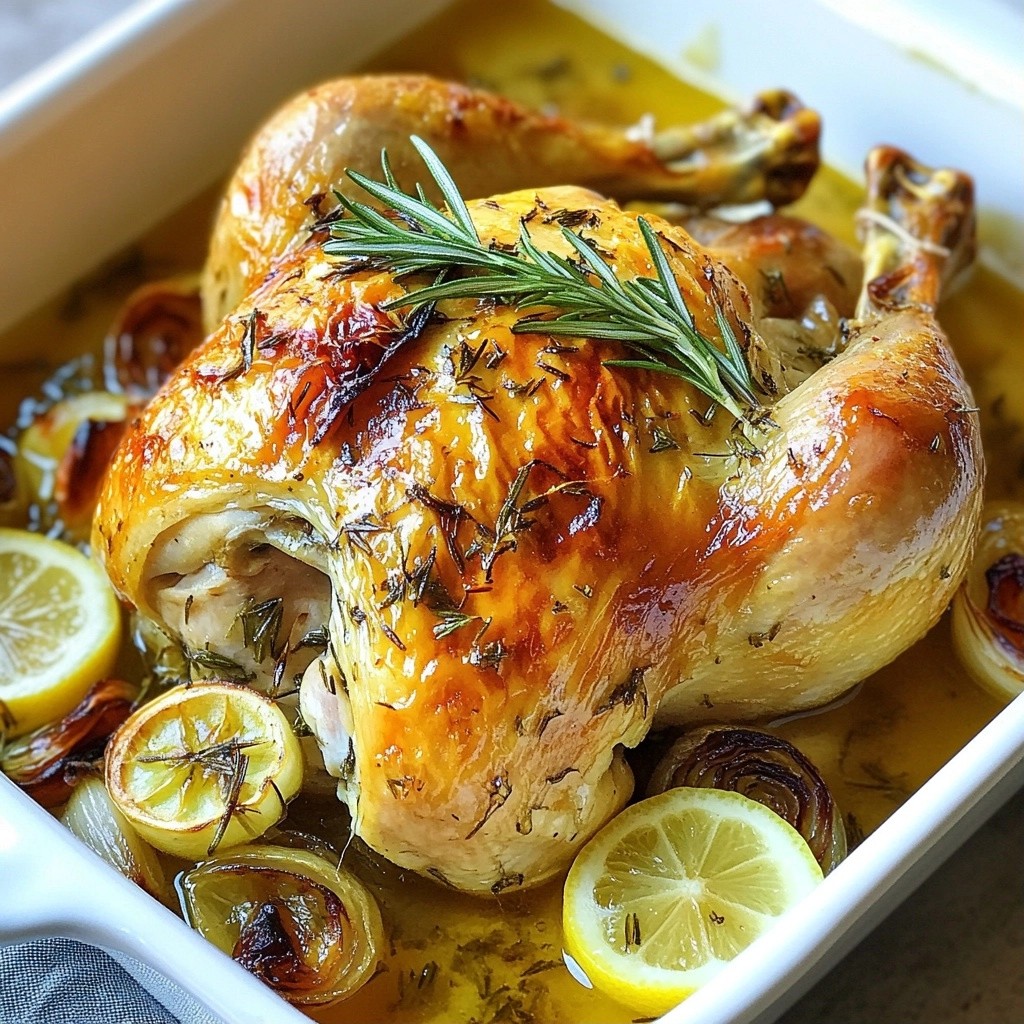
Get ready to impress this Christmas with my Juicy Christmas Rosemary Lemon Roast Chicken! This recipe makes a tender, flavorful roast that's easy to follow. The fresh herbs and zesty lemon fill your kitchen with amazing scents. Plus, it's perfect for family dinners or holiday gatherings. So gather your ingredients, and let’s cook a dish everyone will love. Your holiday feast starts here!
Why I Love This Recipe
- Flavorful Herb Blend: The combination of rosemary, thyme, and lemon infuses the chicken with a delicious aroma and taste that's perfect for holiday gatherings.
- Moist and Juicy: By basting the chicken with broth during roasting, it ensures that every bite is succulent and tender, making it a crowd-pleaser.
- Easy Preparation: This recipe requires minimal prep time, allowing you to spend more time with your loved ones during the festive season.
- Impressive Presentation: Serving a beautifully roasted chicken garnished with rosemary sprigs makes for a stunning centerpiece at any holiday table.
Ingredients
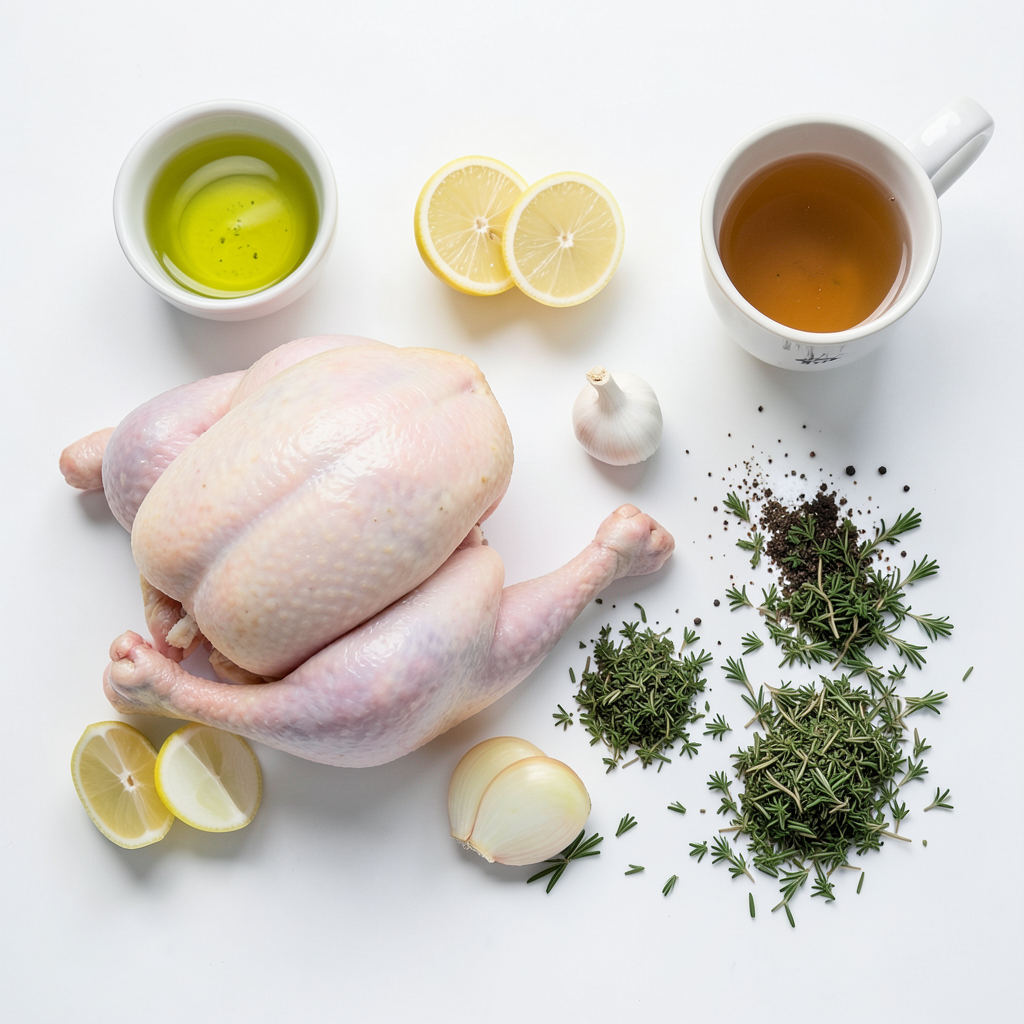
Here’s what you need for Juicy Christmas Rosemary Lemon Roast Chicken:
- Whole chicken (about 4-5 lbs)
- 4 tablespoons olive oil
- 2 lemons (1 sliced, 1 juiced)
- 4 cloves garlic, minced
- 2 tablespoons fresh rosemary, chopped
- 1 tablespoon fresh thyme, chopped
- Salt and pepper to taste
- 1 onion, quartered
- 2 cups chicken broth
- Fresh rosemary sprigs for garnish
Gather these ingredients and get ready to create a festive dish. Each item brings unique flavors that make the chicken juicy and tasty. The lemon adds a bright note, while the herbs give it a warm, earthy taste.
Using fresh ingredients is key. They provide the best flavor and aroma. You want the chicken to be the star of your holiday table. With these ingredients, you can achieve just that.
Step-by-Step Instructions
Prepping the Chicken
First, preheat your oven to 375°F (190°C). This step is crucial for even cooking. Next, pat the whole chicken dry using paper towels. This helps the skin crisp up nicely. Place the chicken in a roasting pan to prepare for roasting. In a small bowl, mix together the marinade ingredients. Combine 4 tablespoons of olive oil, the juice from 1 lemon, and 4 minced garlic cloves. Add 2 tablespoons of chopped fresh rosemary, 1 tablespoon of chopped fresh thyme, and sprinkle in salt and pepper to taste.
Applying the Marinade
Now, rub the marinade all over the chicken. Be sure to get under the skin for the best flavor. This makes the meat juicy and tasty. Next, stuff the chicken cavity with the lemon slices and quartered onion. This adds more flavor as it cooks.
Roasting the Chicken
Pour 2 cups of chicken broth around the chicken in the roasting pan. This keeps the meat moist and forms a base for gravy. Roast the chicken in your preheated oven for about 1.5 hours. Keep an eye on the internal temperature; it should reach 165°F (75°C) when done. Baste the chicken with the broth every 30 minutes. This adds extra juiciness and keeps the skin golden. After roasting, let the chicken rest for 10-15 minutes. This helps the juices stay inside when you carve it. Enjoy your delicious roast chicken!
Tips & Tricks
Enhancing Flavor
To get the most flavor from the marinade, rub it under the chicken skin. This allows the herbs, garlic, and lemon to soak into the meat. You should let the chicken sit in the marinade for at least an hour. If you have time, overnight is best. This step makes your chicken super tasty.
After roasting, it’s key to rest your chicken for 10-15 minutes. This helps the juices stay inside the meat. If you skip this step, the juices will run out when you cut it.
Tools Needed
A good roasting pan is essential. I recommend a sturdy pan that can hold the chicken and broth. A pan with a rack helps the heat circulate evenly.
Using a thermometer is important. You want to check that the chicken reaches 165°F (75°C). This ensures your chicken cooks safely and stays juicy.
Common Mistakes to Avoid
One big mistake is overcooking or undercooking the chicken. Keep an eye on the time and use a thermometer. This helps you avoid dry meat or unsafe food.
Another mistake is not letting the chicken rest. If you cut into it right away, all the juices run out. Make sure to wait before carving. This makes your chicken moist and full of flavor.
Pro Tips
- Let it Rest: Allowing the chicken to rest after roasting helps to retain its juices, making it more flavorful and tender.
- Under the Skin: For enhanced flavor, make sure to rub the seasoning mixture under the skin of the chicken as well as on the surface.
- Basting is Key: Basting the chicken with broth every 30 minutes during roasting helps keep the meat moist and adds extra flavor.
- Use a Meat Thermometer: To ensure the chicken is perfectly cooked, use a meat thermometer to check that the internal temperature reaches 165°F (75°C).
Variations
Herb Variations
You can play with the herbs in this recipe. If you want a twist, try using fresh sage or oregano. These herbs add a nice touch. You can even mix in some fresh parsley for a brighter taste. Seasonal herbs like tarragon also work well in summer. They bring a fresh flavor to the chicken.
Accompaniments
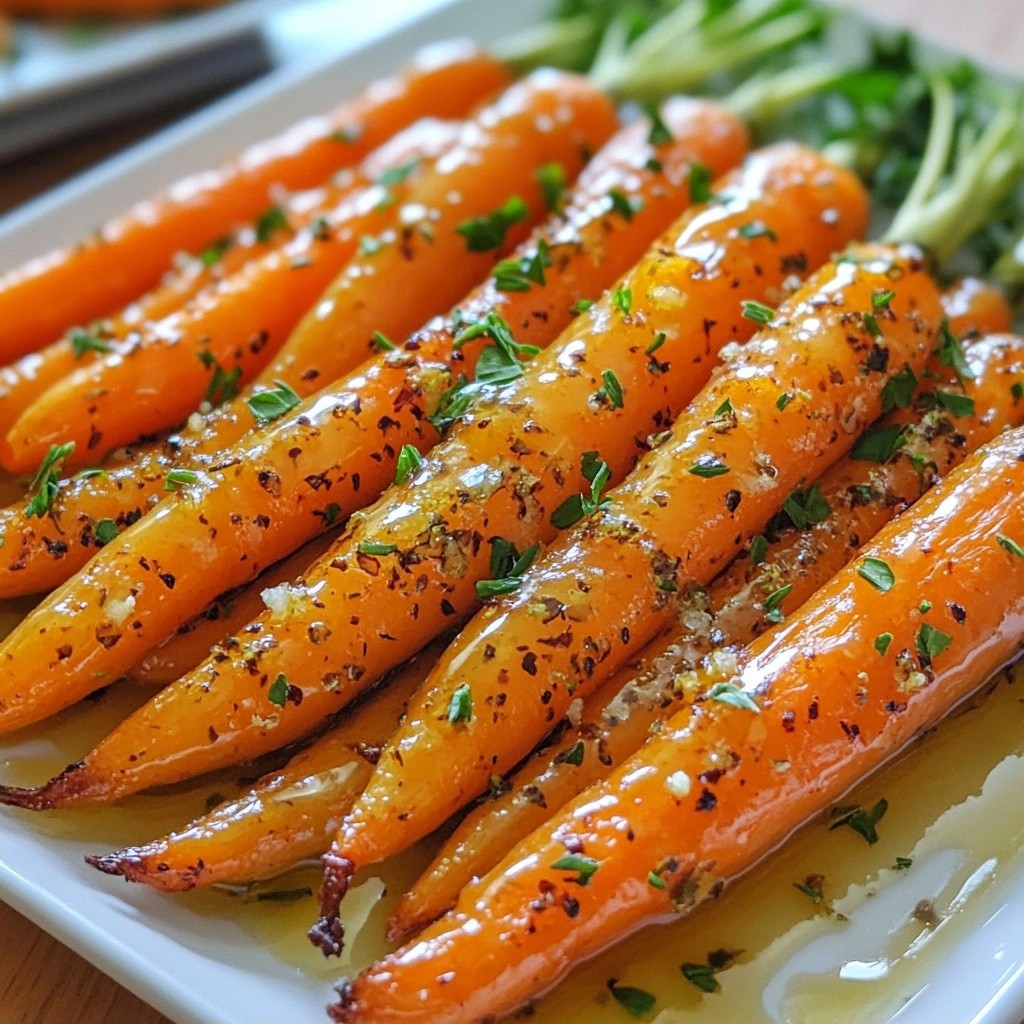
When serving your roast chicken, think about sides. Roasted vegetables pair perfectly. Carrots, Brussels sprouts, and potatoes make great choices. You can also serve creamy mashed potatoes for comfort. If you want something extra, make a simple gravy. Just use the broth from the roasting pan.
Cooking Methods
If you want to try a different cooking method, consider the slow cooker. It keeps the chicken very moist and tender. Cook on low for about 6 hours. For a smoky flavor, you can grill or smoke the chicken. Just make sure to use indirect heat. This way, the chicken cooks evenly and stays juicy.
Storage Info
Leftover Storage
After enjoying your roast chicken, it is best to store leftovers right away. Let the chicken cool down first. Then, carve the meat off the bone. Place the chicken in an airtight container. This keeps moisture in and prevents odors. You can also use plastic wrap for extra protection. If you have broth left, store it separately to keep the chicken juicy.
Recommended storage containers
I recommend using glass or BPA-free plastic containers. These types are safe and easy to clean. Make sure to label the containers with dates. This way, you know when to use them.
Reheating Tips
To reheat your chicken, use the oven for the best results. Preheat it to 350°F (175°C). Place the chicken in a baking dish and cover it with foil. This helps keep the moisture in. Heat for about 20-30 minutes, or until warmed through.
Avoiding drying out the chicken
To avoid dryness, add a splash of broth to the dish. This will keep the chicken tasty. You can also reheat in the microwave. Just use a microwave-safe dish and cover it. Heat in short bursts to maintain juiciness.
Freezing Leftovers
Yes, you can freeze roast chicken! It’s perfect for meal prep. Make sure the chicken is cool before freezing. Carve it into pieces for easy thawing later.
Best practices for freezing
Use freezer-safe bags or containers. Remove as much air as possible to prevent freezer burn. Label the bags with the date. Chicken can stay fresh in the freezer for up to 4 months. When ready to eat, thaw it in the fridge overnight before reheating.
FAQs
How do I know when the chicken is done?
You can check if the chicken is done by using a meat thermometer. Insert it into the thickest part of the thigh. The chicken is safe to eat when it reaches an internal temperature of 165°F (75°C). This ensures all harmful bacteria are killed. The skin should also be golden brown and crispy.
Can I use frozen chicken?
Yes, you can use frozen chicken. First, you need to thaw it safely. The best ways to thaw chicken are in the fridge or in cold water. Do not thaw chicken at room temperature. This keeps it safe from bacteria. If using cold water, change the water every 30 minutes until thawed.
What can I serve with roast chicken?
Roast chicken pairs well with many sides. Some great options include:
- Roasted vegetables
- Mashed potatoes
- Green beans
- Salad
- Bread rolls
These sides add color and flavor to your meal.
Roasting a whole chicken is simple and rewarding. We covered the key ingredients, like olive oil and fresh herbs. You learned step-by-step how to prepare, marinate, and roast it perfectly. I shared tips to enhance the flavor and avoid common mistakes. We explored tasty variations and storage methods, ensuring you enjoy leftovers. With this knowledge, you can create a flavorful meal that impresses everyone. Now, grab your ingredients and start roasting that chicken—deliciousness awaits!