Looking to impress at your Easter feast? You’re in the right place! This guide to making tender Easter herb-roasted lamb is packed with easy steps, useful tips, and mouthwatering flavor ideas. Whether you're a novice chef or a seasoned pro, I’ll walk you through selecting the best ingredients, preparing your lamb, and serving a show-stopping dish. Let’s create a memorable meal that your friends and family will love!
Why I Love This Recipe
- Flavorful Marinade: The combination of garlic, fresh herbs, and Dijon mustard creates a vibrant and aromatic marinade that infuses the lamb with rich flavors.
- Perfect for Gatherings: This dish serves 6-8 people, making it an ideal centerpiece for Easter celebrations or family feasts.
- One-Pan Meal: Roasting the lamb with seasonal vegetables means minimal cleanup while still serving a hearty and nutritious meal.
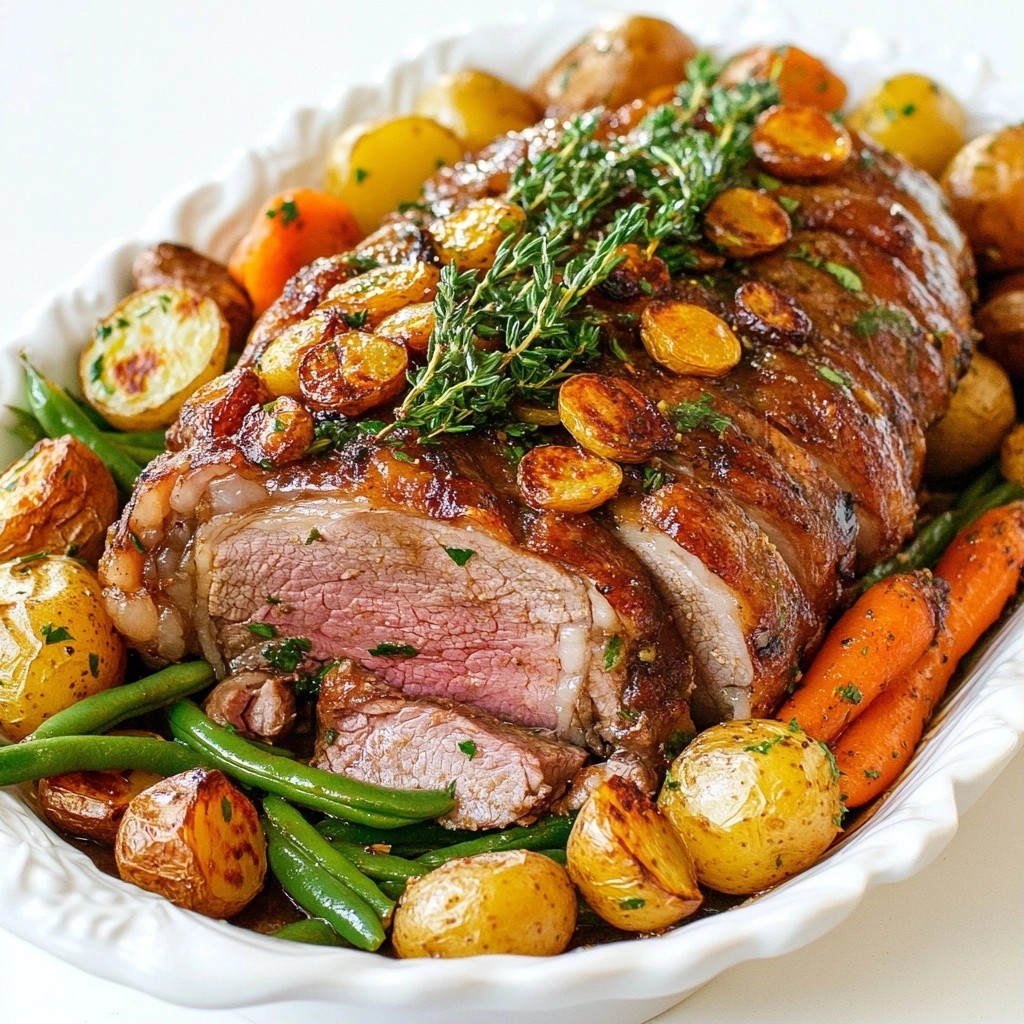
- Beautiful Presentation: Slicing the lamb and arranging it with colorful vegetables not only looks stunning but also adds to the festive atmosphere of any occasion.
Ingredients
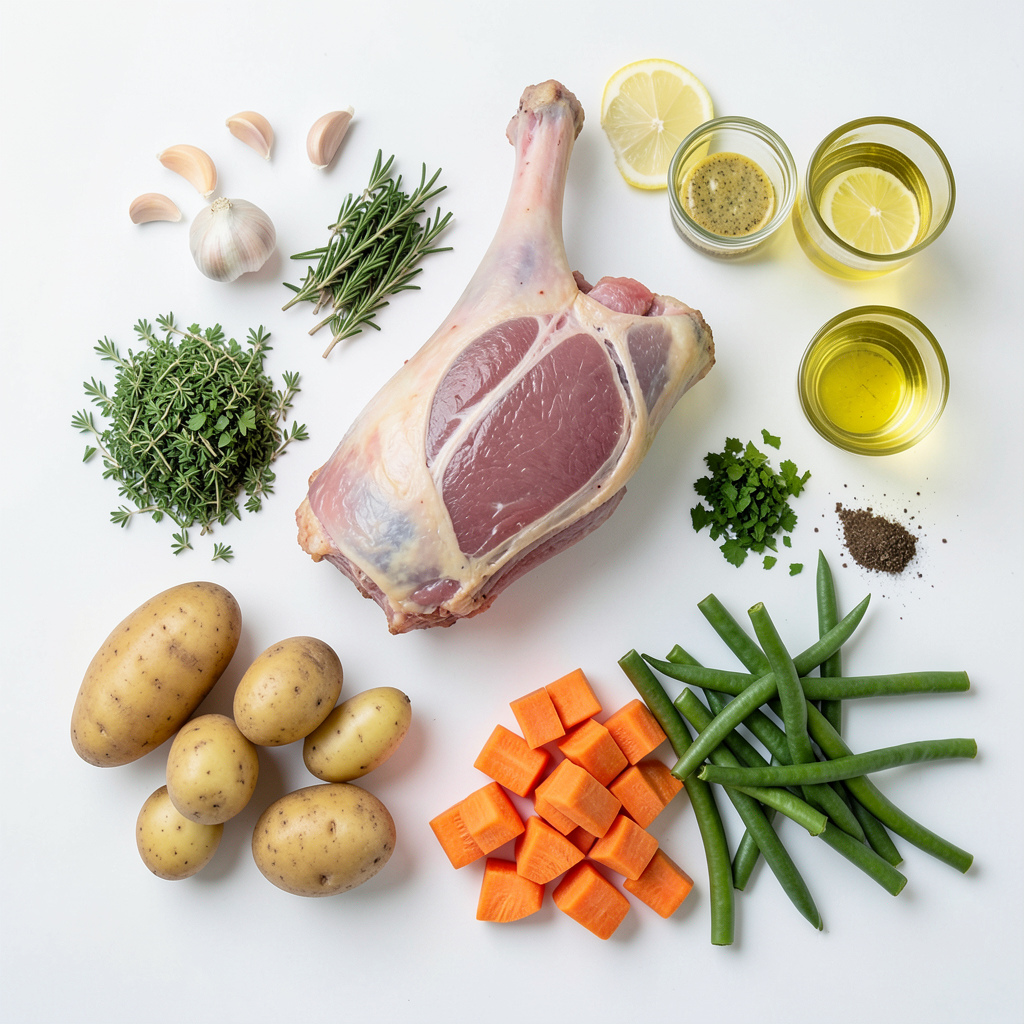
Main ingredients for herb-roasted lamb
For this dish, you need a few key items:
- 1 leg of lamb (about 4-5 pounds), bone-in
- 4 cloves garlic, minced
- 2 tablespoons fresh rosemary, chopped
- 2 tablespoons fresh thyme, chopped
- 2 tablespoons fresh parsley, chopped
These ingredients give the lamb rich flavor and a nice aroma.
Seasoning and marinade components
To create a tasty marinade, gather these ingredients:
- 1 tablespoon Dijon mustard
- 1 tablespoon olive oil
- Zest of 1 lemon
- Juice of 1 lemon
- Salt and pepper to taste
Mix these items with the herbs and garlic. This blend makes the lamb juicy and flavorful.
Accompanying vegetables selection
You’ll want some veggies to roast with your lamb. Choose:
- 2 cups baby potatoes, halved
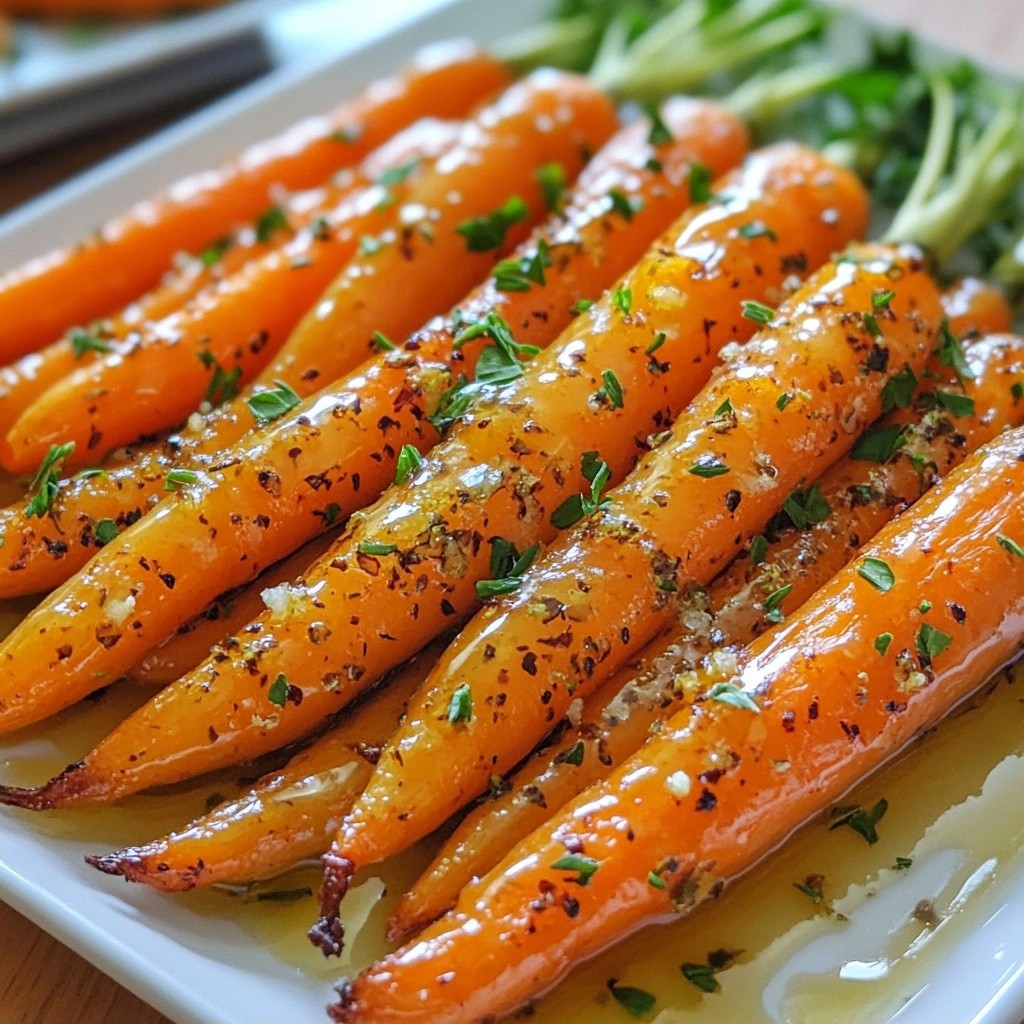
- 1 cup carrots, cut into chunks
- 1 cup green beans, trimmed
These vegetables add color and nutrition to your meal. They soak up the lamb's delicious juices while roasting.
Step-by-Step Instructions
Preparing the marinade and lamb
Start by preheating your oven to 425°F (220°C). In a mixing bowl, combine four minced garlic cloves, two tablespoons of chopped rosemary, thyme, and parsley. Add one tablespoon of Dijon mustard, olive oil, lemon zest, and lemon juice. Don’t forget to sprinkle in salt and pepper for flavor. This mix will create a lovely marinade.
Next, take your leg of lamb, about 4-5 pounds, and pat it dry with paper towels. Rub the marinade all over the meat. Make sure to cover every part. This step is key for great taste. Allow the lamb to marinate for at least 30 minutes. For more flavor, let it sit overnight in the fridge.
Roasting vegetables and lamb
While the lamb marinates, prepare the vegetables. Take two cups of halved baby potatoes, one cup of carrot chunks, and one cup of trimmed green beans. In a large roasting pan, toss these veggies with a drizzle of olive oil, salt, and pepper. Spread them out evenly in the pan.
Once your lamb has marinated, place it on top of the vegetables in the roasting pan. This way, the juices from the lamb will add flavor to the veggies as they roast.
Cooking time and temperature guidelines
Roast the lamb in the preheated oven for 25 minutes. After that, reduce the temperature to 350°F (175°C). Continue roasting for an additional 1 to 1.5 hours. Use a meat thermometer to check the lamb’s doneness. Aim for 135°F (57°C) for medium-rare.
Once it’s done, take the lamb out of the oven. Cover it with aluminum foil and let it rest for 15-20 minutes. This resting period helps keep the meat juicy. When ready, slice the lamb and serve it next to the roasted vegetables. Drizzle any pan juices over the top for extra flavor. Enjoy your meal!
Tips & Tricks
Marinating tips for enhanced flavor
To make your lamb burst with flavor, marinate it well. I recommend marinating for at least 30 minutes. For even better taste, marinate overnight in the fridge. This helps the herbs and garlic seep into the meat. Use a mix of garlic, rosemary, thyme, and parsley. The Dijon mustard adds a nice tang too. Make sure to rub the marinade all over the lamb. Don't forget the ends and the sides!
How to check lamb doneness accurately
To check if the lamb is done, use a meat thermometer. Insert it into the thickest part of the meat. For medium-rare, aim for 135°F (57°C). If you want it more done, go for 145°F (63°C). Remember, the lamb will cook a bit more after you take it out of the oven. Let it rest for 15-20 minutes before slicing. This helps keep the juices inside.
Presentation tips for serving
Presentation makes your meal shine! Slice the lamb nicely and arrange it on a large platter. Place the roasted vegetables around the lamb. This adds color and texture to your dish. A sprinkle of fresh herbs on top gives a lovely touch. You can also drizzle some pan juices over the lamb for extra flavor. It looks great and tastes even better!
Pro Tips
- Marinate for Maximum Flavor: Allow the lamb to marinate overnight in the refrigerator for deeper flavor penetration and a juicier roast.
- Use a Meat Thermometer: For perfect doneness, use a meat thermometer to check the internal temperature, aiming for 135°F (57°C) for medium-rare.
- Rest the Meat: Let the lamb rest covered with foil for 15-20 minutes after roasting; this allows the juices to redistribute, ensuring a tender slice.
- Customize Your Veggies: Feel free to add other seasonal vegetables such as bell peppers or zucchini to the roasting pan for added flavor and color.
Variations
Different herbs to use for flavor
When you cook lamb, herbs play a big role. You can try other herbs for unique tastes. Instead of just rosemary, thyme, and parsley, consider using:
- Oregano
- Mint
- Basil
- Dill
Each herb adds its own flavor. Mint gives a fresh taste, while oregano adds warmth. Experiment with different herbs to find what you love.
Options for side vegetables
You can change the veggies you roast with the lamb. Here are some great options:
- Sweet potatoes
- Brussels sprouts
- Asparagus
- Red onions
Mix and match these vegetables. Each brings different flavors and colors to your plate. For a sweeter taste, use sweet potatoes. For a crunchy texture, try asparagus.
Cooking methods: oven vs. slow cooker
You can roast lamb in the oven or use a slow cooker. Both methods have their perks.
Oven cooking gives you a crispy outside and juicy inside. The high heat helps seal in the flavors.
Slow cooking is great for tender meat. You can set it and forget it. Cook on low for 6-8 hours for a soft texture.
Choose the method that fits your time and taste. Both ways yield delicious results!
Storage Info
How to store leftovers properly
To store your leftover lamb, first let it cool. Wrap it tightly in plastic wrap or aluminum foil. You can also place it in an airtight container. Make sure to do this within two hours of cooking. Keep it in the fridge for up to three days. For best taste, try to eat it soon.
Reheating instructions for optimal taste
When reheating, aim for low heat. Preheat your oven to 300°F (150°C). Place the lamb in a baking dish and cover it with foil. This keeps the meat moist. Heat it for about 20-30 minutes or until warm. You can also use a microwave, but it may dry out the meat.
Freezing options and tips
If you want to freeze lamb, slice it first. Use a freezer-safe bag or container. Remove as much air as possible to prevent freezer burn. You can freeze it for up to three months. When ready to eat, thaw it in the fridge overnight. Then reheat using the oven for best results.
FAQs
What cut of lamb is best for roasting?
The best cut of lamb for roasting is a leg of lamb. It is tender and flavorful. A bone-in leg of lamb, weighing about 4-5 pounds, works great. The bone adds flavor and helps keep the meat juicy.
How long should I marinate the lamb?
You should marinate the lamb for at least 30 minutes. This allows the flavors to soak in. For even better taste, let it marinate overnight in the fridge. The longer marination gives you a more intense flavor.
Can I use dried herbs instead of fresh herbs?
Yes, you can use dried herbs instead of fresh herbs. If you do, use less. Dried herbs are stronger in taste. A good rule is to use one-third the amount of dried herbs. So, if the recipe calls for 2 tablespoons of fresh herbs, use about 2 teaspoons of dried herbs.
You learned about making herb-roasted lamb using simple steps. We covered the key ingredients, how to prepare them, and the best ways to cook. I shared tips for flavor and serving. You can even try different herbs and sides to change things up. Remember to store leftovers correctly for great taste later. Enjoy your cooking and impress your friends with this delicious dish! Happy roasting!