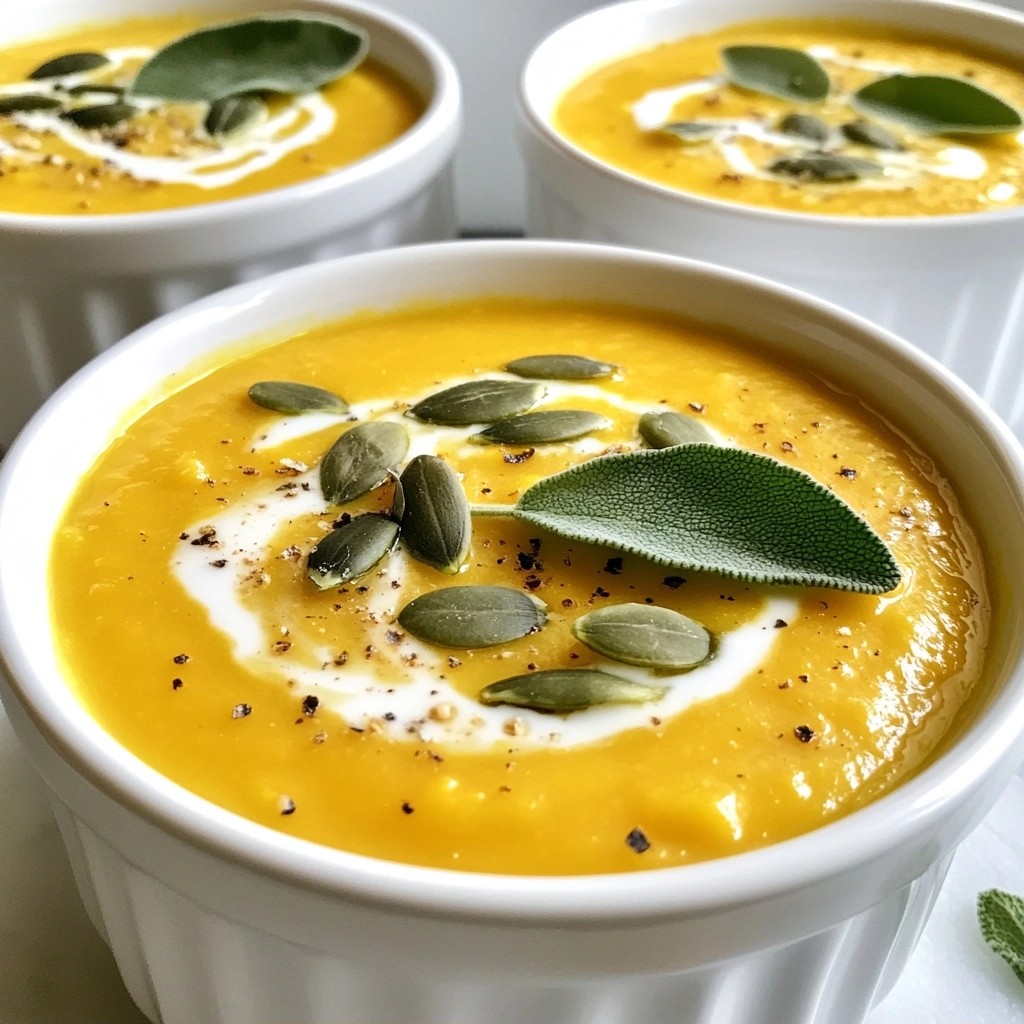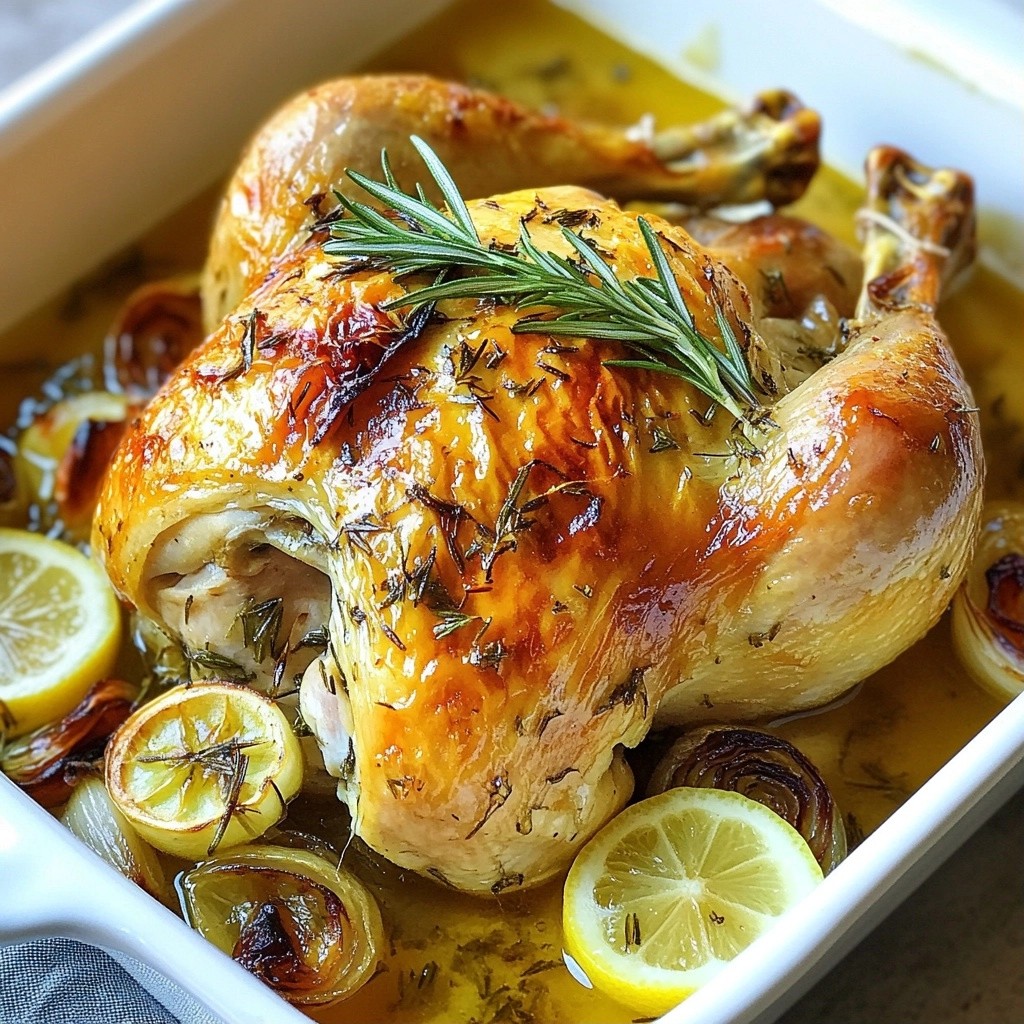
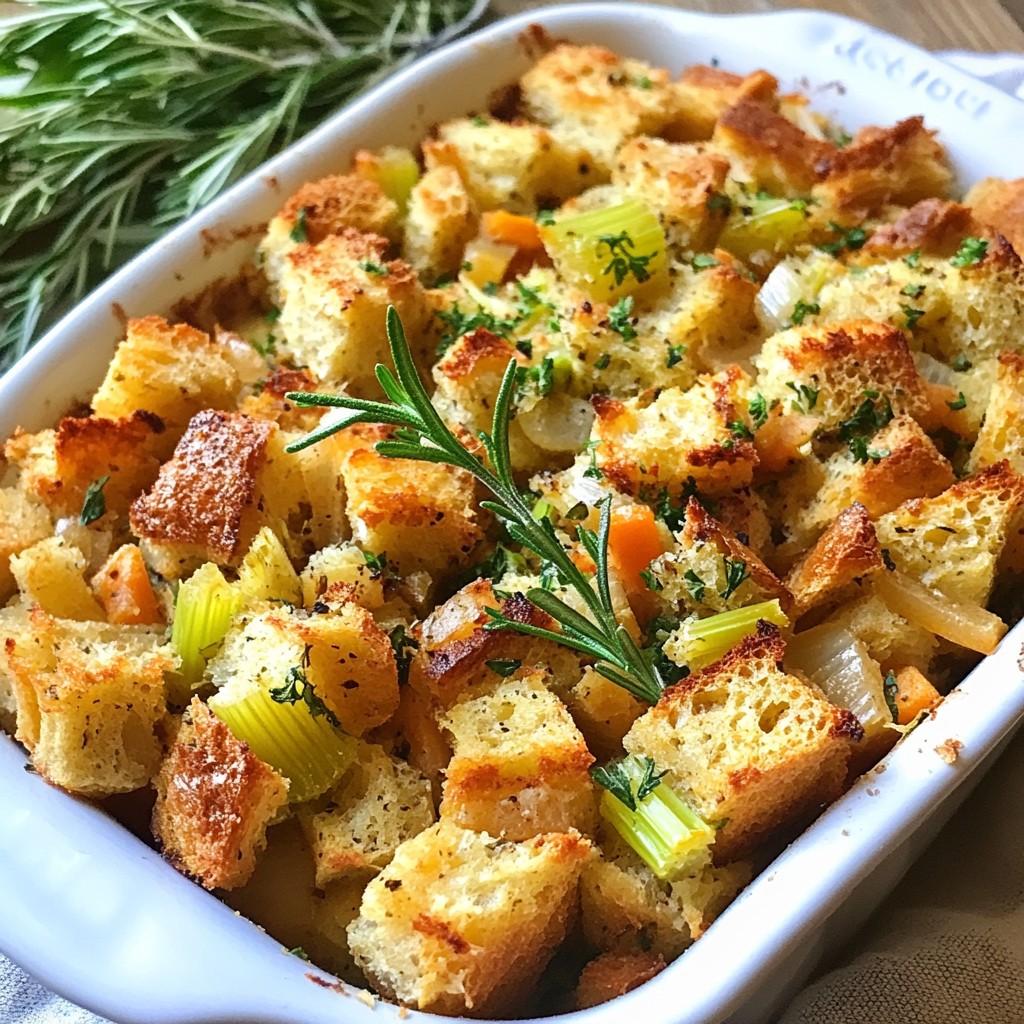
Get ready to take your Thanksgiving feast to the next level with my Savory Thanksgiving Herb-Infused Stuffing Delight! This mouthwatering dish blends fresh herbs, savory vegetables, and hearty bread for a warm, cozy flavor that everyone will love. I’ll guide you through the easy steps, from choosing the right ingredients to adding your own twist. Get the inside scoop on making the perfect stuffing that’s sure to impress your guests!
Why I Love This Recipe
- Comforting Flavor: This stuffing recipe is packed with aromatic herbs and vegetables, creating a warm and inviting dish that complements any Thanksgiving meal.
- Easy to Prepare: With simple ingredients and straightforward steps, this recipe is perfect for both novice and experienced cooks looking to impress their guests.
- Customizable Ingredients: You can easily adapt this stuffing by adding your favorite ingredients like nuts, dried fruits, or sausage for a personal touch.
- Great for Leftovers: This stuffing not only tastes amazing fresh out of the oven, but it also makes for delicious leftovers that can be enjoyed in various meals.
Ingredients
Detailed Ingredient List
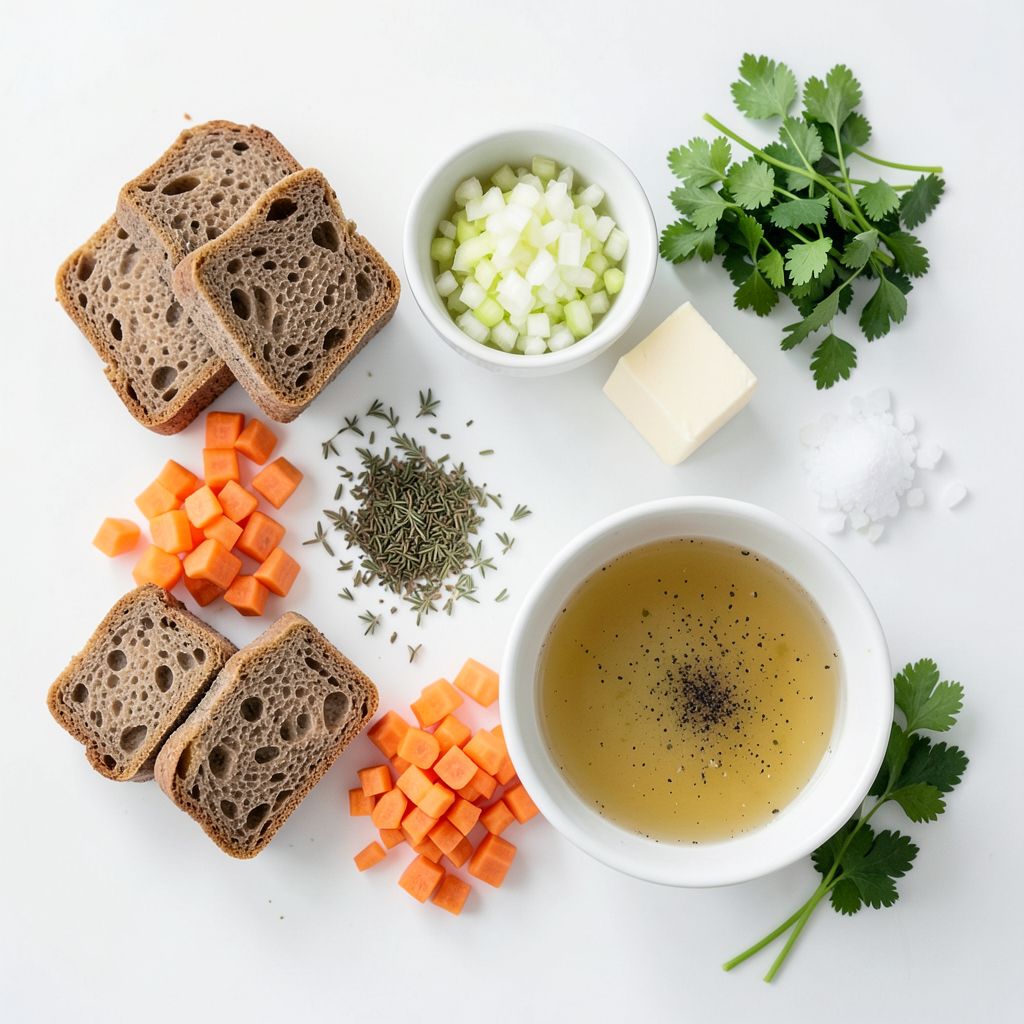
To make Savory Thanksgiving Herb-Infused Stuffing, you will need:
- 1 loaf of rustic sourdough bread, cubed
- 1 cup celery, finely chopped
- 1 cup onion, finely chopped
- 1 cup carrots, diced
- 4 cloves garlic, minced
- 1 teaspoon dried sage
- 1 teaspoon dried thyme
- 1 teaspoon dried rosemary
- ½ teaspoon ground black pepper
- 2 cups vegetable broth
- ½ cup unsalted butter
- 1 cup fresh parsley, chopped
- Salt to taste
Substitute Options for Dietary Restrictions
You can easily adapt this recipe for dietary needs. If you need gluten-free stuffing, replace sourdough with gluten-free bread. For vegan options, use plant-based butter and vegetable broth. If you’re allergic to certain vegetables, swap them out. For instance, you can use bell peppers instead of carrots. These adjustments can help everyone enjoy this dish.
Importance of Fresh Herbs vs. Dried Herbs
Using fresh herbs gives your stuffing a bright, vibrant flavor. Fresh parsley, sage, thyme, and rosemary add a pop of taste and aroma. Dried herbs can work too, but they often lack the same depth. When using dried herbs, remember to use less. About one-third of the amount is usually enough. Fresh herbs make your dish stand out, while dried herbs are a good backup when fresh isn't available.
Step-by-Step Instructions
Prepping the Bread for Stuffing
Start by preheating your oven to 375°F (190°C). Take your loaf of rustic sourdough bread and cut it into small cubes. Spread these cubes out on a baking sheet. Toast the bread in the oven for about 10-15 minutes. Look for a golden color, but don't let it get too hard. Once toasted, remove it from the oven and let it cool. This step helps the stuffing hold its shape.
Sautéing Vegetables and Herbs
Grab a large skillet and set it on medium heat. Add unsalted butter and let it melt. Next, toss in the finely chopped celery, onion, and diced carrots. Sauté these for about 5-7 minutes until they soften. This makes them sweet and tasty. After that, stir in minced garlic, dried sage, thyme, and rosemary. Add ground black pepper as well. Cook this mixture for an extra 2 minutes until the herbs smell great.
Combining Ingredients for Optimal Flavor
Take a large mixing bowl and add your toasted sourdough bread. Pour in the sautéed vegetables and the chopped fresh parsley. Gently mix these together to coat the bread evenly. Gradually add vegetable broth over the mixture. Stir until the bread is moist but not soaked. Add salt to taste. Finally, transfer everything into a greased baking dish. Cover it with aluminum foil and bake for 25 minutes. Remove the foil after that and bake for another 15-20 minutes. This will make the top crispy and golden brown. Let it sit for a few minutes before you serve. Enjoy your savory Thanksgiving herb-infused stuffing!
Tips & Tricks
Achieving the Perfect Texture
To get the best texture, start with day-old bread. Fresh bread can make stuffing soggy. Cut the sourdough into cubes and toast it. Toasting helps dry out the bread. This gives it a nice crunch. Aim for a golden color after toasting. Mix the bread with sautéed veggies gently. You want it moist but not mushy.
Enhancing Flavor with Additional Herbs
You can boost the flavor with more herbs. Try adding fresh herbs like thyme or rosemary. Fresh herbs add bright notes. You could also add a pinch of nutmeg. This spice gives a warm, cozy flavor. Experiment with small amounts first. Taste as you go to find your balance.
Common Mistakes to Avoid
Avoid using too much broth. Adding too much can make the stuffing soggy. Also, don’t skip the resting time. Let the stuffing sit for a few minutes after baking. This helps it set and firm up. Lastly, don’t forget to season well. A little salt can make a big difference!
Pro Tips
- Stale Bread Works Best: For optimal texture, use day-old sourdough bread. It will absorb the broth better without becoming mushy.
- Customize Your Herbs: Feel free to mix up the herbs! Fresh herbs can be used instead of dried for a more vibrant flavor.
- Add Some Crunch: Consider mixing in some toasted nuts like pecans or walnuts for added texture and flavor.
- Make It Ahead: Prepare the stuffing a day in advance. Just assemble the ingredients, cover, and refrigerate. Bake before serving!
Variations
Adding Protein: Sausage or Chopped Nuts
You can make this stuffing heartier by adding protein. Sausage works well. Use ground sausage or sliced links. Cook it in the skillet before adding the veggies. This adds a rich flavor. If you prefer a crunch, add chopped nuts. Walnuts or pecans add a nice texture. Stir them in with the bread. Both options will make your stuffing more filling.
Different Bread Choices for Unique Flavor
Changing the bread can change the whole taste of your stuffing. Sourdough is great, but you can try others. A loaf of French bread gives a light, airy feel. Whole wheat adds a nutty taste. Brioche brings a sweet note. You can even mix different breads for a fun twist. Each type adds its own flair to the dish.
Gluten-Free or Vegan Alternatives
For gluten-free stuffing, use gluten-free bread. There are many options in stores. Just make sure it tastes good to you. For a vegan version, swap butter for olive oil or vegan butter. Use vegetable broth instead of chicken broth. This keeps the dish full of flavor while meeting dietary needs. Enjoy a delicious meal that everyone can share.
Storage Info
How to Store Leftover Stuffing
To keep your leftover stuffing fresh, place it in an airtight container. Make sure to cool it down first. Store it in the fridge for up to four days. This keeps the flavors intact and prevents spoilage.
Reheating Tips for Best Results
When you’re ready to enjoy your stuffing again, preheat your oven to 350°F (175°C). Place the stuffing in a baking dish and cover it with foil. Bake for about 20 minutes. This method keeps it moist. If you like a crispy top, remove the foil for the last five minutes.
Freezing for Future Use
If you have more stuffing than you can eat, you can freeze it. Start by letting it cool completely. Then, pack it into freezer-safe bags or containers. It can last in the freezer for up to three months. Thaw it in the fridge overnight before reheating. This way, you can enjoy your savory stuffing anytime!
FAQs
Can I make this stuffing ahead of time?
Yes, you can prepare the stuffing one day in advance. Just follow the recipe up to the baking step. After mixing the ingredients, cover the dish and store it in the fridge. On Thanksgiving, bake it right before serving. This makes your day less hectic.
How do I achieve a crispy topping?
To get a crispy topping, bake the stuffing uncovered for the last 15-20 minutes. This step helps the top turn golden and crunchy. Also, ensure your bread cubes are toasted well before mixing. This adds extra texture.
What are some recommended pairings for herb-infused stuffing?
Herb-infused stuffing pairs well with roasted turkey, chicken, or even pork. It also goes great with gravy or cranberry sauce. For a lighter meal, try it with a salad. The flavors balance nicely, making for a delicious meal.
This blog covered key points to make delicious stuffing. We explored fresh and dried herbs, ingredient options, and step-by-step cooking tips. I shared ways to enhance flavor and texture while offering variations for diets. Storage advice helps keeps leftovers tasty.
With these tips, you can create stuffing that suits any meal. Enjoy cooking and impress your guests with your skills!