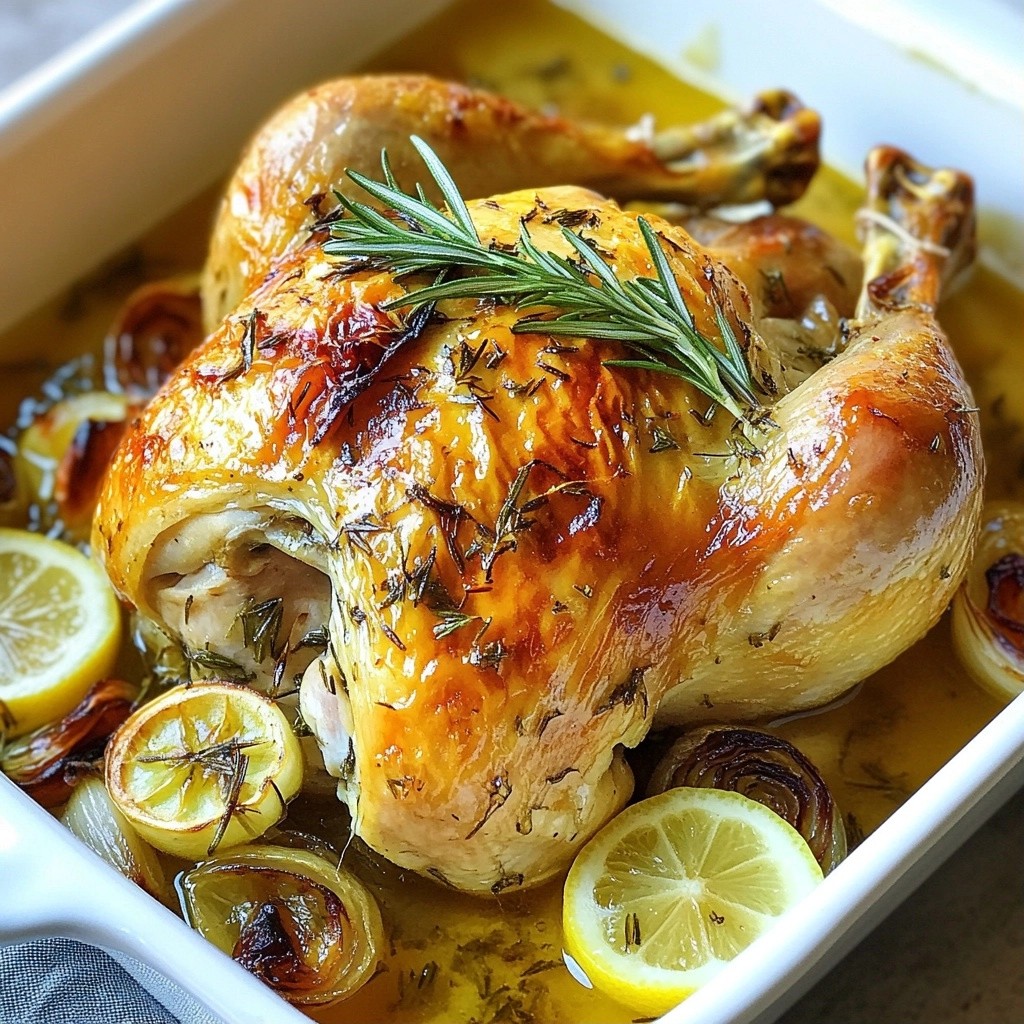
Looking to impress your guests this Thanksgiving? Try my savory herb-infused roasted Cornish hen! This dish not only adds elegance to your table but also bursts with flavor. With simple ingredients and easy steps, you'll have a focal point that steals the show. Whether it’s your first time cooking poultry or you’re a seasoned chef, follow me as I guide you through this delicious journey. Ready to get cooking? Let's dive in!
Why I Love This Recipe
- Succulent Flavor: The herb marinade infuses the Cornish hens with a delightful taste that is both savory and aromatic, making each bite a flavorful experience.
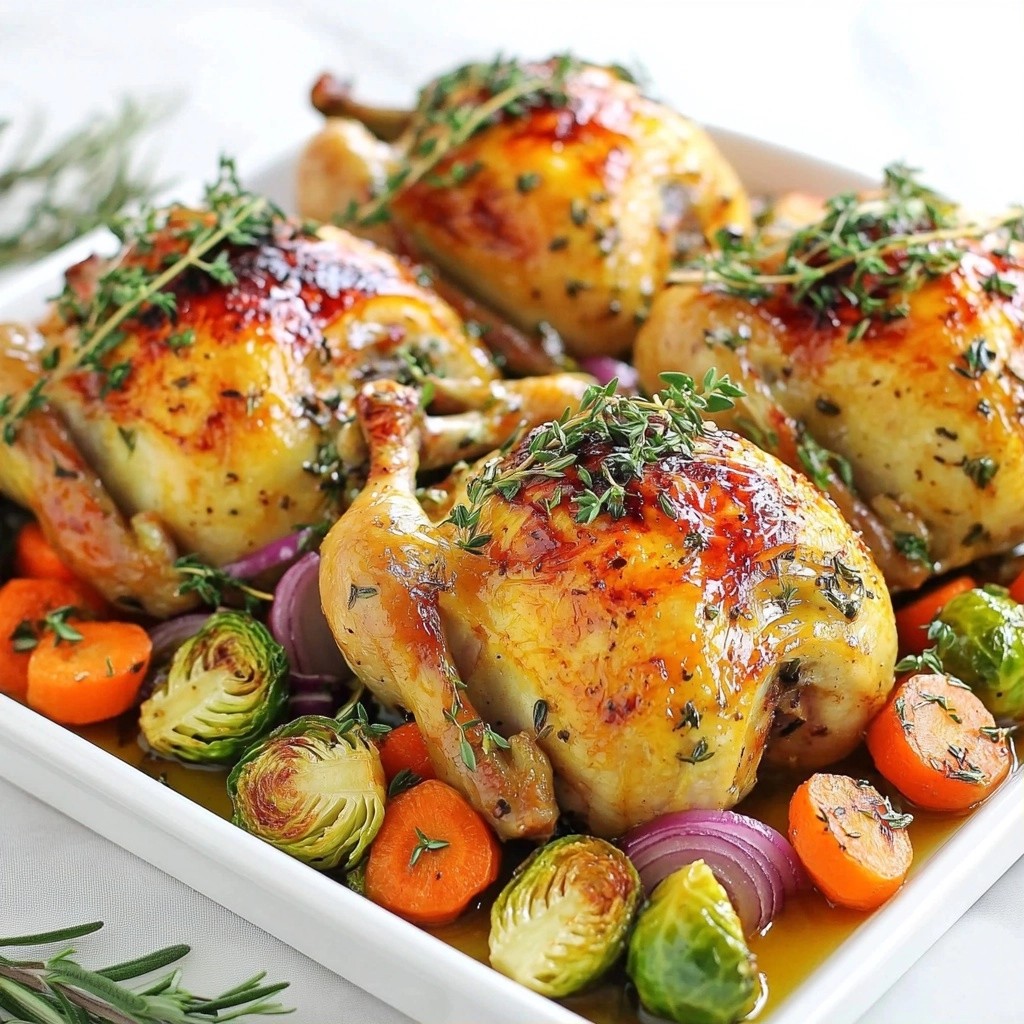
- Beautiful Presentation: Serving the hens surrounded by colorful roasted vegetables not only looks stunning but also adds to the meal's rustic charm.
- Easy to Prepare: With simple ingredients and straightforward steps, this recipe is perfect for both novice and experienced cooks looking to impress.
- Perfect for Gatherings: This dish serves four, making it an ideal centerpiece for Thanksgiving or any family gathering, ensuring everyone enjoys a delicious meal.
Ingredients
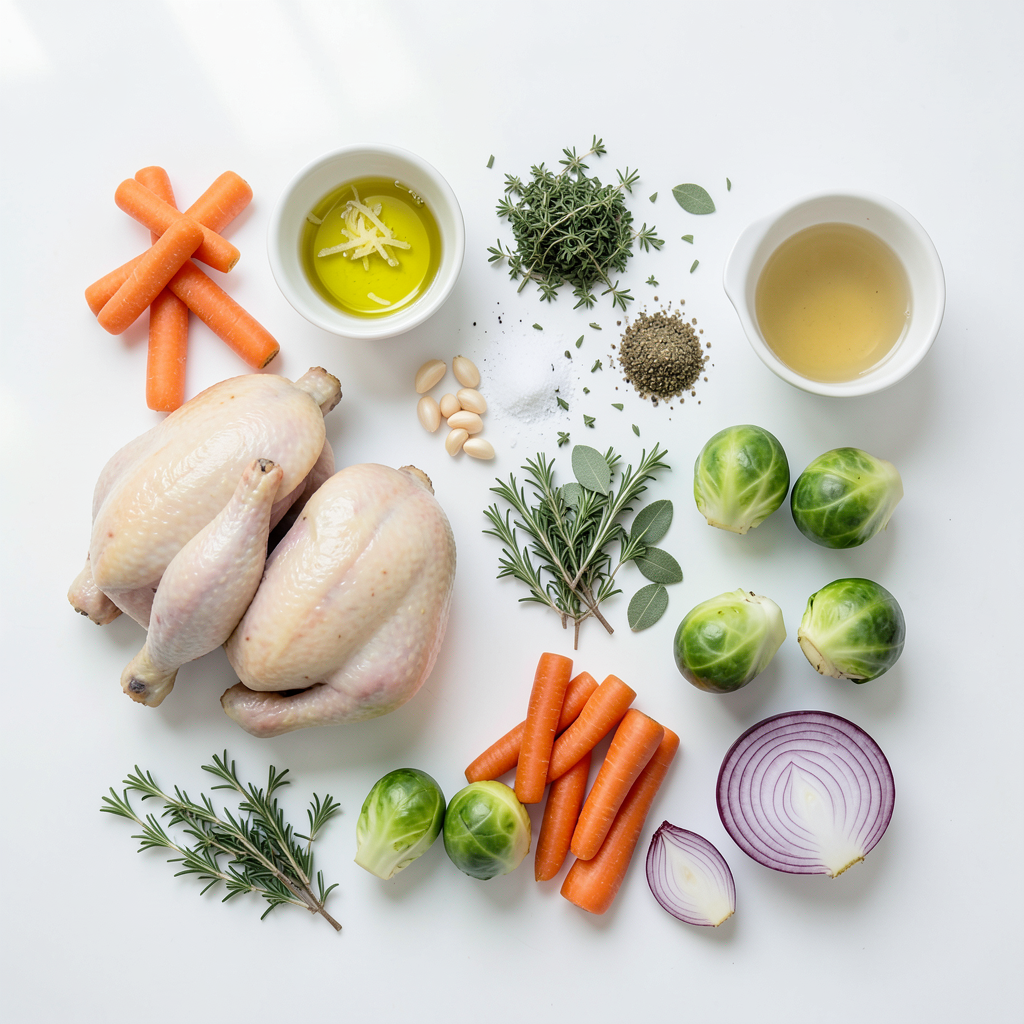
To make a savory Thanksgiving herb-infused roasted Cornish hen, you need the following ingredients:
- 2 Cornish hens
- 4 tablespoons olive oil
- 1 lemon, zested and juiced
- 4 garlic cloves, minced
- 2 tablespoons fresh rosemary, chopped
- 2 tablespoons fresh thyme, chopped
- 1 tablespoon fresh sage, chopped
- Salt and pepper to taste
- 1 cup vegetable broth
- 1 cup baby carrots
- 1 cup Brussels sprouts, halved
- 1 red onion, quartered
Each ingredient plays a key role in this dish. The Cornish hens provide a tender, juicy base. Olive oil helps the herbs stick and adds richness. Lemon brightens the flavors. Garlic and fresh herbs bring a wonderful aroma and taste. Vegetables like carrots, Brussels sprouts, and red onion not only add color but also soak up the flavors during roasting.
When choosing your herbs, fresh is best for a robust taste. However, if fresh herbs are not available, dried herbs can work too. Just remember, dried herbs are more potent than fresh, so use less.
This ingredient list is simple yet effective, allowing you to create a memorable dish that everyone will love.
Step-by-Step Instructions
Preheating and Preparing the Marinade
- Preheat the oven to 375°F (190°C).
- In a small bowl, mix 4 tablespoons olive oil, zest and juice from 1 lemon, 4 minced garlic cloves, 2 tablespoons chopped rosemary, 2 tablespoons chopped thyme, 1 tablespoon chopped sage, salt, and pepper. This creates a fragrant herb marinade.
Preparing the Hens
- Pat the 2 Cornish hens dry with paper towels.
- Rub the herb marinade all over the hens. Get under the skin for extra flavor.
- Place the hens in a roasting pan.
Roasting Process
- Pour 1 cup of vegetable broth into the bottom of the pan. This keeps the hens moist.
- Surround the hens with 1 cup baby carrots, 1 cup halved Brussels sprouts, and 1 quartered red onion.
- Drizzle a little olive oil over the veggies and sprinkle with salt and pepper.
- Cover the pan with aluminum foil and roast for 45 minutes.
- After 45 minutes, remove the foil. Increase the oven temperature to 400°F (200°C).
- Roast for another 30 minutes. The hens should be golden brown and reach an internal temperature of 165°F (75°C).
- After roasting, let the hens rest for 10 minutes before carving.
This method ensures juicy, flavorful Cornish hens that are perfect for Thanksgiving. Enjoy the delicious aroma as they roast!
Tips & Tricks
Perfecting the Flavor
To make your Cornish hen burst with flavor, use the under-skin rubbing technique. First, create an herb marinade. Mix olive oil, lemon zest, lemon juice, garlic, rosemary, thyme, sage, salt, and pepper. Then, pat the hens dry. Carefully rub the marinade under the skin. This step adds flavor deep into the meat. Adjust the seasoning to your taste. If you like more herbs, feel free to add them.
Cooking Temperature and Timing
Cooking your Cornish hen to the right temperature is key. Aim for an internal temperature of 165°F (75°C). Use a meat thermometer to check. This ensures the hen is safe to eat and juicy. After cooking, let the hen rest for about 10 minutes before carving. This step keeps the juices from spilling out when you cut into it.
Presentation Tips
For a beautiful presentation, serve the hens on a large platter. Surround them with roasted vegetables like carrots, Brussels sprouts, and red onion. This adds color and texture. Garnish with fresh sprigs of rosemary and thyme for a festive look. Your guests will be impressed by the stunning display!
Pro Tips
- Marinate for Maximum Flavor: Allow the Cornish hens to marinate in the herb mixture for at least one hour or overnight in the refrigerator for a deeper infusion of flavors.
- Check for Doneness: Use a meat thermometer to ensure the internal temperature of the hens reaches 165°F (75°C) for safe consumption.
- Customize Your Vegetables: Feel free to swap the vegetables based on your preference. Root vegetables like potatoes or parsnips work wonderfully alongside the hens.
- Rest Before Carving: Let the hens rest for 10 minutes after roasting to allow the juices to redistribute, ensuring moist and flavorful meat when carved.
Variations
Herb Alternatives
You can switch up the herbs for different flavors. Try using tarragon or oregano for something unique. Basil also adds a fresh twist. You can use dried herbs, but fresh herbs give better taste. If you use dried herbs, use less. Dried herbs are stronger than fresh ones.
Side Dish Pairings
Pair your Cornish hen with tasty sides. Roasted potatoes or mashed sweet potatoes work great. Green beans almondine adds a nice crunch. You might also enjoy a rich gravy or zesty cranberry sauce. These sauces bring out the flavors in the hen.
Different Cooking Methods
You can cook Cornish hens on the grill for a smoky flavor. Just marinate them and place them on the grill. A slow cooker is also an option. Cook them slowly for tender meat. If you like, try a rotisserie. It cooks evenly and gives that crispy skin we love.
Storage Info
Leftover Storage Tips
After your meal, let the Cornish hens cool down. This step is key for safety. Then, place the hens in shallow containers. I recommend using glass or plastic containers with tight lids. This keeps them fresh and tasty. Store them in the fridge. Use them within three days to enjoy the best flavor.
Reheating Instructions
To reheat the hens, use your oven. Set it to 350°F (175°C). Place the hens in a baking dish. Add a splash of broth to keep them moist. Cover the dish with foil. Heat for about 20 minutes. Check that they reach 165°F (75°C) inside. This keeps them juicy and delicious.
Freezing Recommendations
If you want to freeze the hens, wrap them well. Use plastic wrap or freezer bags. Make sure to remove all air. Label the bags with the date. They can last up to three months in the freezer. When ready to eat, thaw them in the fridge overnight. This helps keep the texture nice.
FAQs
How long do I roast Cornish hens?
Roasting Cornish hens takes about 1 hour and 15 minutes. First, roast them at 375°F for 45 minutes. Then, remove the foil and raise the heat to 400°F for 30 more minutes. This helps the skin turn golden brown. Always check the internal temperature. It should reach 165°F. Cooking time can change based on the size of the hens.
Can I use chicken instead of Cornish hens?
Yes, you can use chicken. Adjust the cooking time based on the size of the chicken. A whole chicken usually takes longer to cook than a Cornish hen. Follow the same steps for seasoning and roasting. Use a meat thermometer to ensure it is cooked through.
What are the best sides to serve with Cornish hen?
Great sides for Cornish hens include:
- Mashed potatoes
- Green beans
- Stuffing
- Cranberry sauce
- Roasted sweet potatoes
These sides balance the flavors of the hens. You can also use the roasted vegetables from the dish for extra flavor.
This blog post covers roasting Cornish hens from start to finish. You learned about the ingredients, step-by-step instructions, and useful tips for flavor and timing. We also explored variations, storage, and common questions. Remember, cooking is about trying new things and enjoying the process. With these insights, you can create a delicious meal that impresses everyone. Don't hesitate to get creative with flavors and side dishes. Happy cooking!