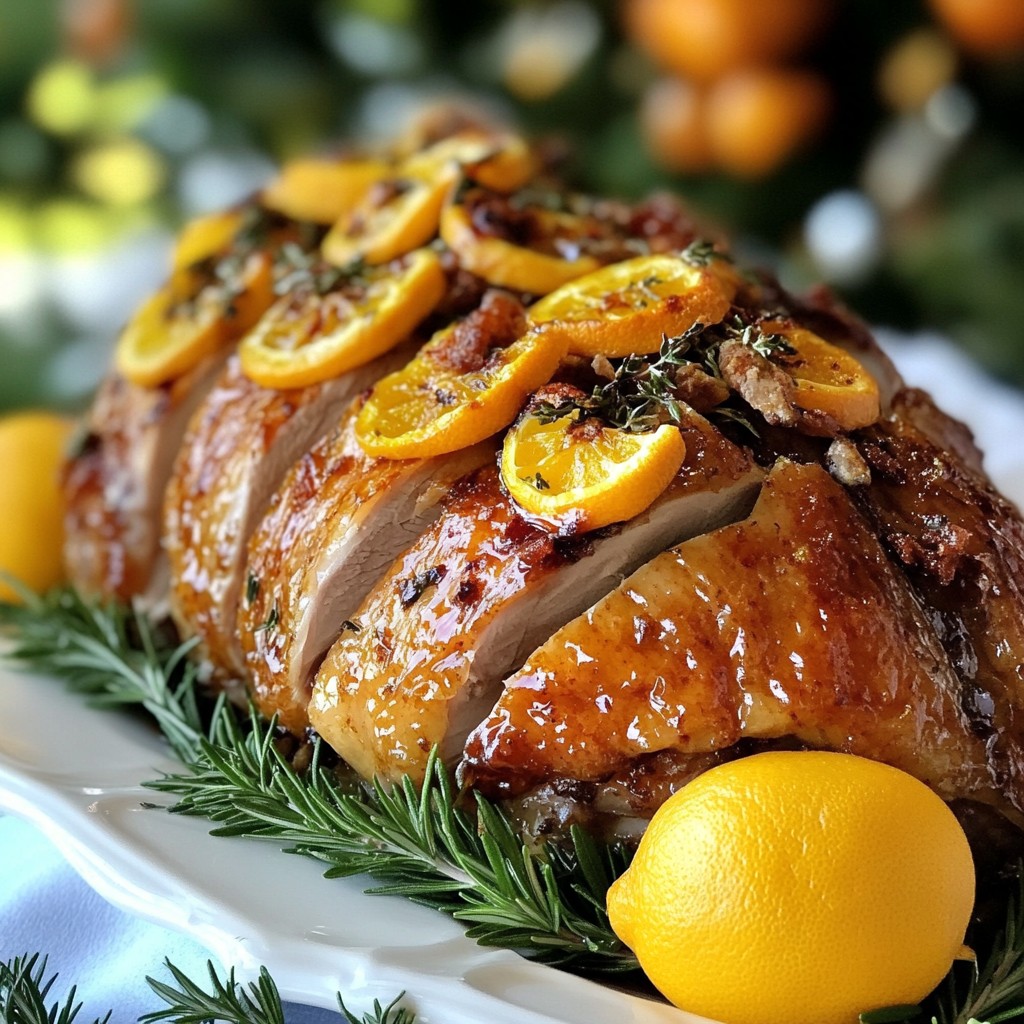
Get ready to impress your guests this holiday season with my Juicy Christmas Balsamic Herb Roasted Duck Delight! This mouth-watering dish blends savory herbs and tangy balsamic vinegar for a feast everyone will love. I’ll guide you through every step, from choosing fresh herbs to achieving that perfect crispy skin. With easy tips and perfect variations, you’ll be the star of your Christmas dinner. Let’s dive in and make this holiday unforgettable!
Why I Love This Recipe
- Flavorful and Unique: This duck recipe combines the richness of the meat with a sweet and tangy balsamic glaze, making it a standout choice for festive occasions.
- Crispy Skin: By following the roasting technique, you’re guaranteed a perfectly crispy skin that adds texture to every bite.
- Impressive Presentation: Carving the duck and serving it on a platter with herbs creates an elegant centerpiece for any holiday table.
- Versatile Pairings: This dish pairs beautifully with seasonal vegetables or roasted potatoes, making it a versatile option for a complete meal.
Ingredients
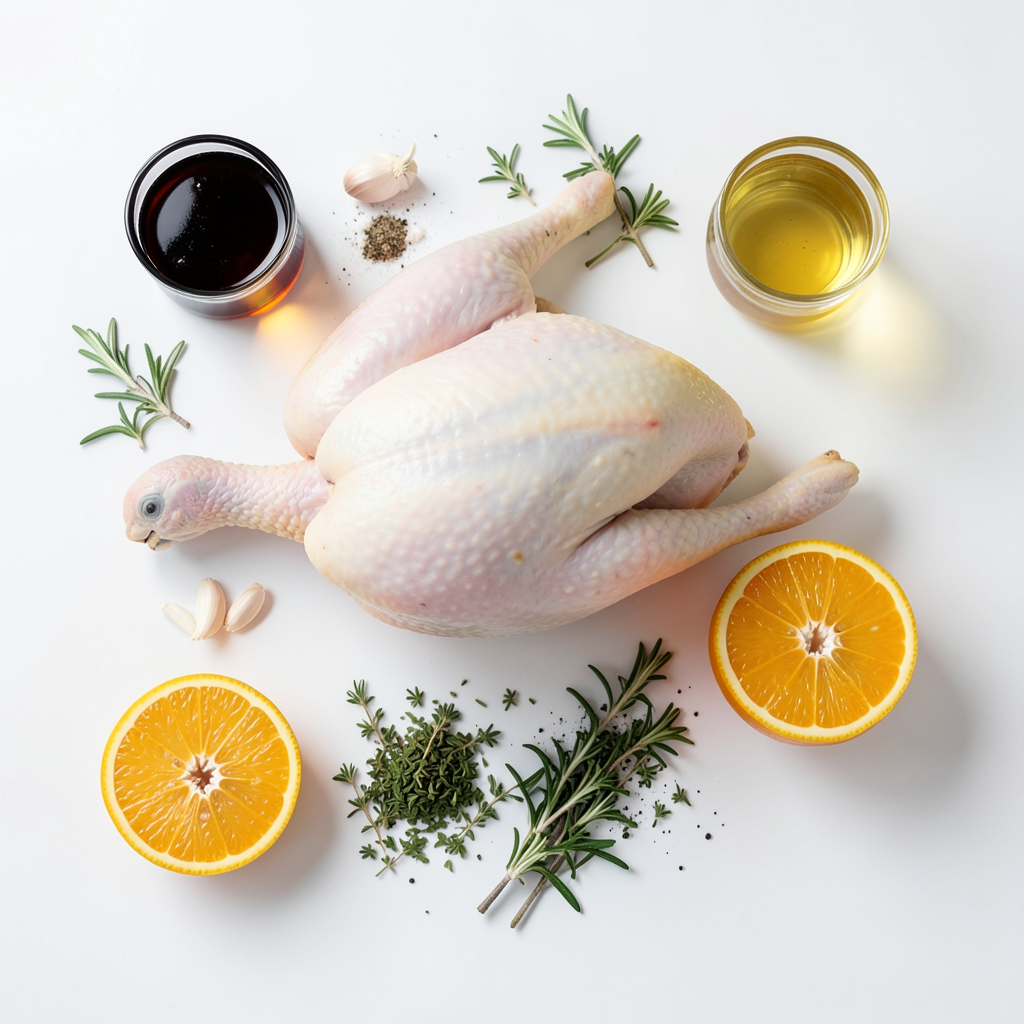
List of Ingredients
- 1 whole duck (about 4-5 pounds)
- 1/4 cup balsamic vinegar
- 2 tablespoons honey
- 4 cloves garlic, minced
- 2 tablespoons fresh rosemary, chopped
- 2 tablespoons fresh thyme, chopped
- 2 teaspoons salt
- 1 teaspoon black pepper
- 1 large orange, halved
- 1 cup chicken broth
- Fresh herbs for garnish (optional)
Importance of Fresh Herbs
Fresh herbs bring life to dishes. They add vibrant flavors and aromas. Using fresh rosemary and thyme is key in this recipe. They make the duck taste bright and delicious. Dried herbs can work, but they often lack the punch of fresh ones. Always choose fresh when possible for the best results.
Substitutions for Common Ingredients
If you can't find duck, you can use chicken. Adjust the cooking time since chicken cooks faster. For balsamic vinegar, red wine vinegar is a good option. Honey can be swapped with maple syrup for a different sweetness. If you want a citrus twist, try using lemon or lime instead of orange. These substitutes keep your dish tasty and adaptable to what you have at home.
Step-by-Step Instructions
Preparation of the Duck
Start by preheating your oven to 375°F (190°C). Rinse the duck under cold water. Pat it dry with paper towels. Make sure to dry it well, both inside and out. This step is key for crispy skin.
Creating the Balsamic Herb Mixture
In a small bowl, whisk together these ingredients:
- 1/4 cup balsamic vinegar
- 2 tablespoons honey
- 4 cloves garlic, minced
- 2 tablespoons fresh rosemary, chopped
- 2 tablespoons fresh thyme, chopped
- 2 teaspoons salt
- 1 teaspoon black pepper
Rub this flavorful mixture all over the duck. Make sure to coat it well, inside and out. This adds deep flavor to the meat.
Roasting and Basting Techniques
Stuff the duck’s cavity with the halved orange. This will add a nice citrus flavor as it roasts. Place the duck on a roasting rack in a pan. Pour 1 cup of chicken broth into the pan. This keeps the duck moist and collects drippings for sauce.
Roast the duck in the preheated oven for about 1 hour and 30 minutes. Use a meat thermometer to check that the thickest part of the thigh reaches 165°F (74°C). Baste the duck with its own juices every 30 minutes. This helps keep it juicy and flavorful.
For the last 15 minutes, raise the oven temperature to 425°F (220°C). This step crisps up the skin beautifully. Once the duck is done, take it out and let it rest for 15-20 minutes. This allows the juices to settle.
Optionally, strain the pan drippings. Simmer them over medium heat to make a rich sauce. Pour this sauce over the carved duck for extra flavor. Enjoy your festive meal!
Tips & Tricks
Ensuring Crispy Skin
To get crispy skin on your duck, start with a dry bird. Rinse it well and pat it dry using paper towels. This step helps remove moisture. Rub the balsamic herb mixture generously, and remember to get under the skin. Basting the duck every 30 minutes while it cooks helps, too. At the end, increase the oven temperature to 425°F for the last 15 minutes. This extra heat gives the skin that golden crunch.
Measuring Internal Temperature
Always check the internal temperature to ensure your duck is cooked well. The thickest part of the thigh should read 165°F. Use a meat thermometer for accuracy. Insert it carefully to avoid touching the bone. If it reads lower, return the duck to the oven. It's better to keep cooking than to serve undercooked meat.
Best Utensils for Carving
Using the right tools makes carving easier. A sharp carving knife is key. It cuts through the skin and meat cleanly. A carving fork helps hold the duck steady while you cut. Make sure to carve against the grain. This keeps the meat tender and juicy. A cutting board with a groove can help catch the juices. Enjoy the process, and don’t rush!
Pro Tips
- Dry the Duck: Make sure to thoroughly dry the duck with paper towels after rinsing. This step is crucial for achieving crispy skin.
- Use a Meat Thermometer: To ensure the duck is perfectly cooked, use a meat thermometer. Insert it into the thickest part of the thigh to check for an internal temperature of 165°F (74°C).
- Baste for Flavor: Basting the duck with its own juices every 30 minutes will enhance its flavor and keep it moist throughout the roasting process.
- Rest Before Carving: Allow the duck to rest for 15-20 minutes after removing it from the oven. This helps the juices redistribute, resulting in a juicier final dish.
Variations
Citrus Variations (different fruits)
You can play with flavors by using different fruits. For a zesty twist, try using lemons or limes. Their bright notes add a fresh taste. You can also use grapefruit for a unique flavor. Just cut the fruit in half and stuff it inside the duck. This will help keep the meat juicy and flavorful.
Adding a Sweet Glaze
A sweet glaze can enhance the duck's flavor. I suggest mixing balsamic vinegar with a touch of maple syrup or brown sugar. Brush this mix over the duck during the last 15 minutes of cooking. This creates a beautiful, shiny finish. It also adds an extra layer of sweetness that pairs well with the herbs.
Cooking Methods (slow cooker, smoker)
You don't need to roast your duck in the oven. A slow cooker is a great option too. Cook it on low for 6 to 8 hours. This method makes the meat super tender. If you prefer a smoky flavor, consider using a smoker. Just set it to 225°F (107°C) and smoke the duck for about 4 hours. Both methods will give you delicious results, but they change the texture and taste.
Storage Info
Storing Leftovers
After you enjoy the duck, save leftovers in an airtight container. Keep it in the fridge for up to four days. If you have a lot left, divide it into smaller portions. This makes it easier for you to reheat later. The duck may lose some crispiness, but it will still taste great.
Reheating Tips
To reheat, use an oven. Preheat it to 350°F (175°C). Place the duck in a baking dish and cover it with foil. This keeps moisture in. Heat for about 20-30 minutes, or until warm. You can also use a microwave, but it might not keep the skin crispy. If you want crispy skin, the oven is best.
Freezing Options
You can freeze duck leftovers if you want to keep them longer. Wrap the duck tightly in plastic wrap, then place it in a freezer bag. It can last for up to three months in the freezer. When you're ready to eat, thaw it in the fridge overnight. Reheat it as described above for a tasty meal.
FAQs
How to tell when the duck is done cooking?
To check if the duck is done, use a meat thermometer. Insert it into the thickest part of the thigh. The internal temperature should reach 165°F (74°C). If you don’t have a thermometer, look for clear juices when you pierce the thigh. No pink should show in the juices.
Can I make this recipe ahead of time?
Yes, you can prepare the duck a day ahead. Season it and store it in the fridge. This lets the flavors soak in. When ready to cook, take it out and let it sit at room temperature for about 30 minutes. Then, roast it as directed.
What sides pair well with balsamic roasted duck?
Balsamic roasted duck tastes great with many sides. Consider serving it with:
- Roasted potatoes
- Seasonal vegetables
- A fresh salad
- Creamy polenta
- Wild rice
These sides balance the rich flavors of the duck and add color to your plate.
This blog post covered how to prepare a flavorful roasted duck with a balsamic herb mix. We explored key ingredients, the role of fresh herbs, and substitutions. I provided detailed steps for preparation, roasting, and tips for achieving crispy skin. You learned variations, storage options, and answers to common questions.
The right blend of ingredients and techniques makes all the difference. Enjoy your cooking journey and feel confident in your skills! You can impress anyone with a perfectly roasted duck. Happy cooking!