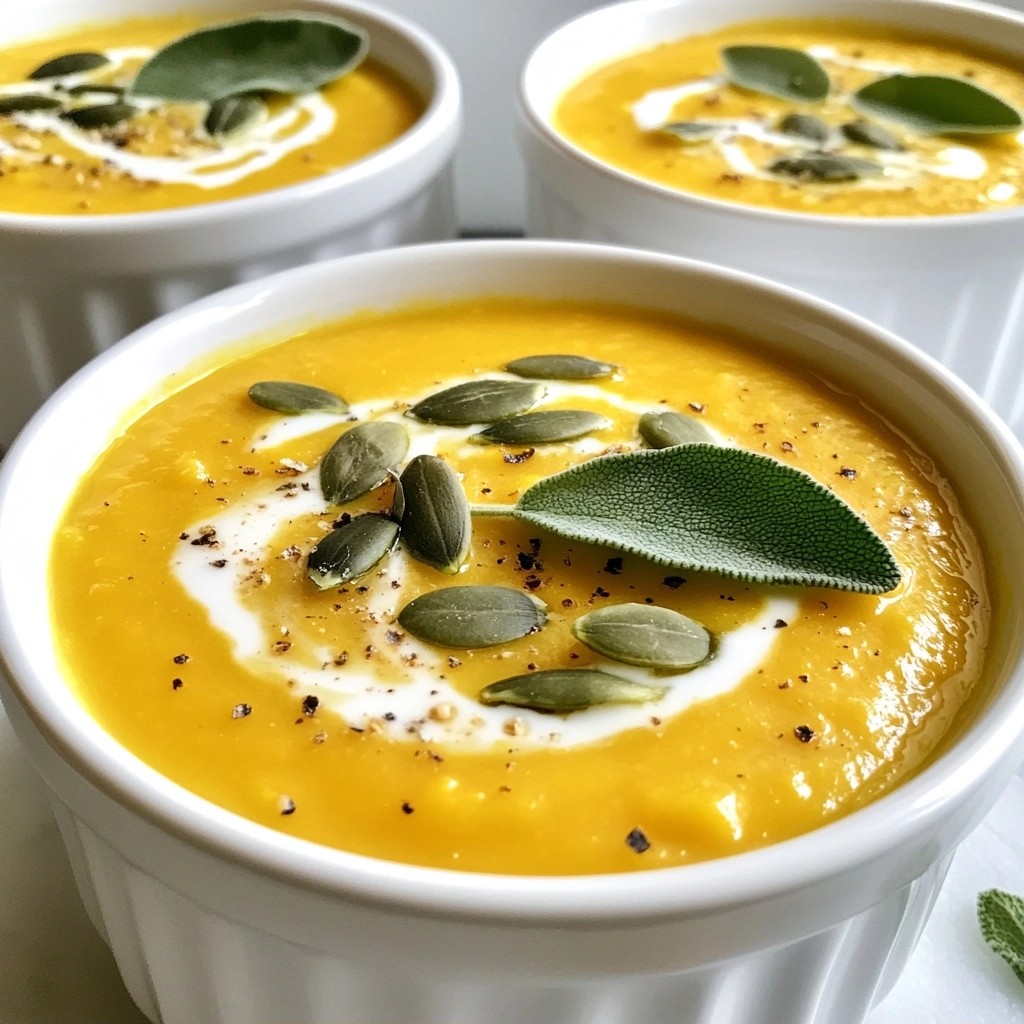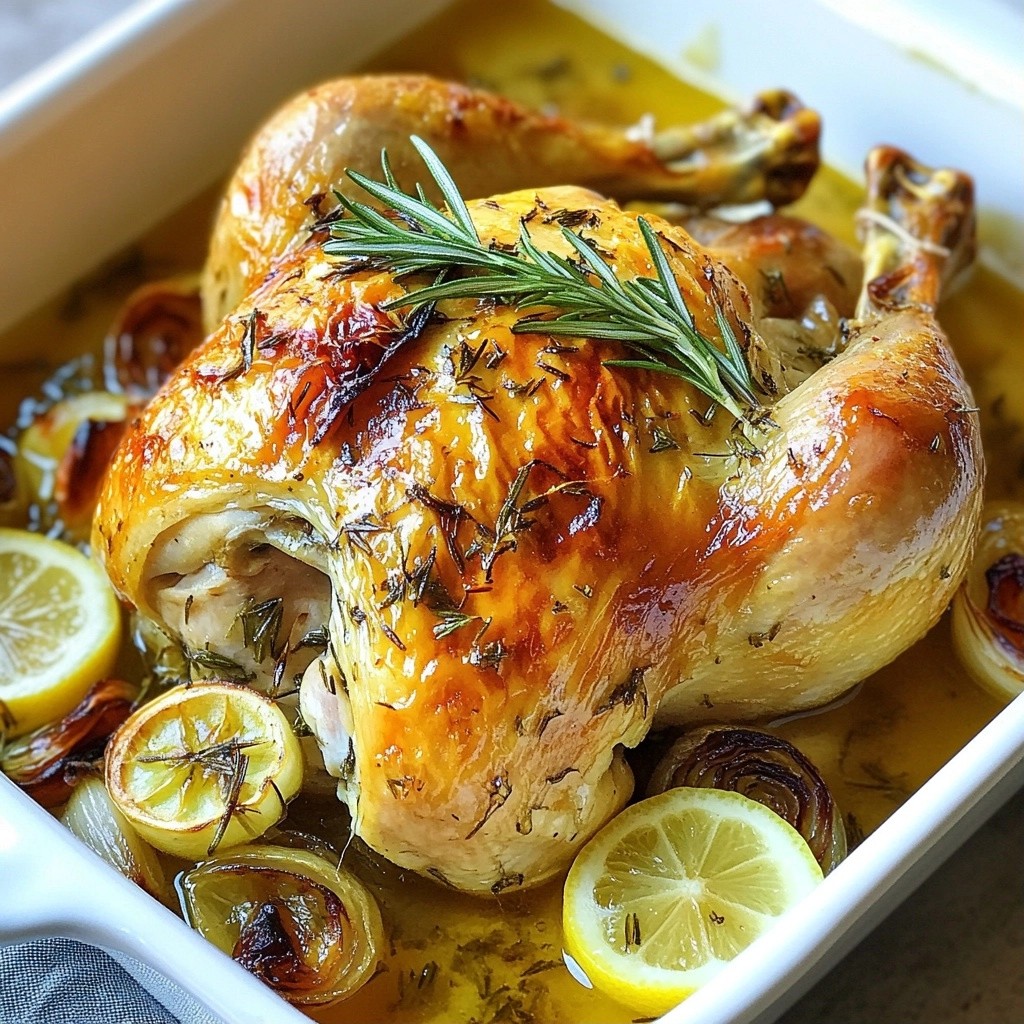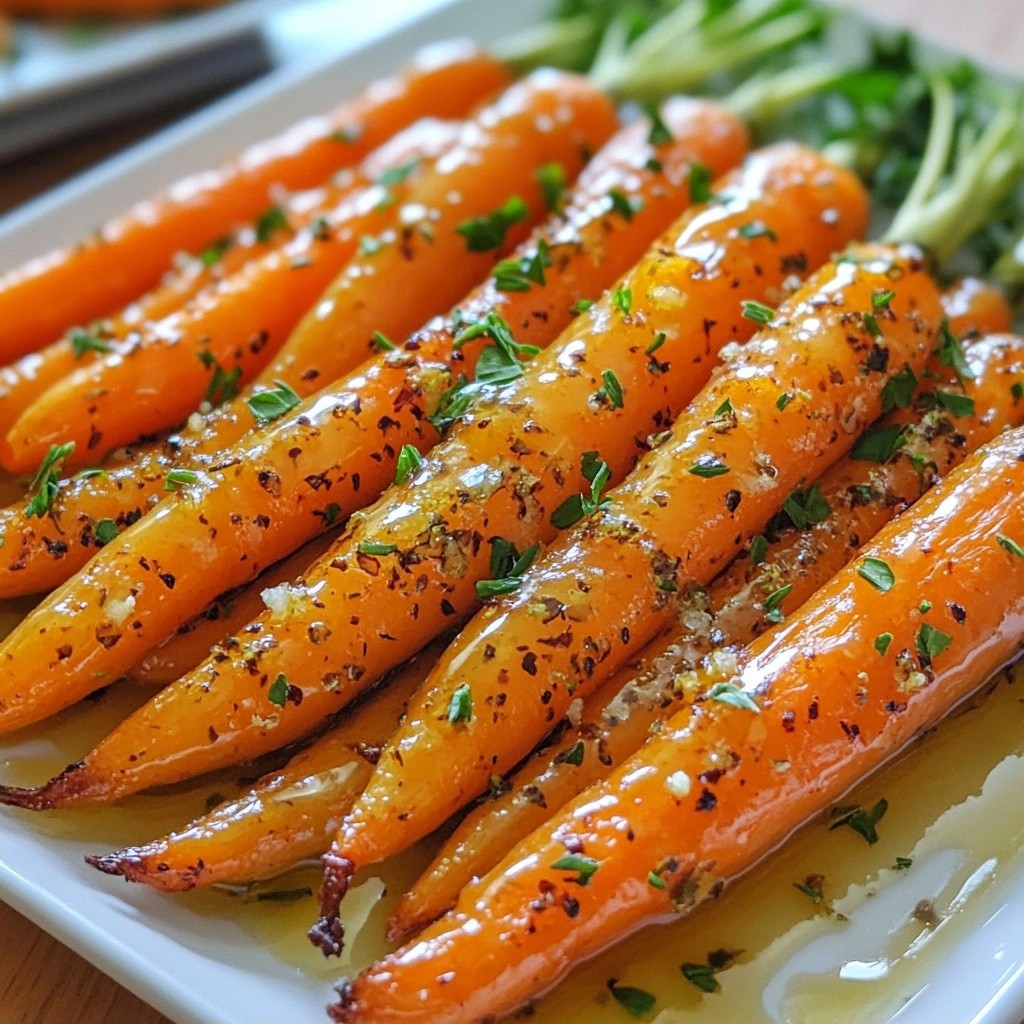
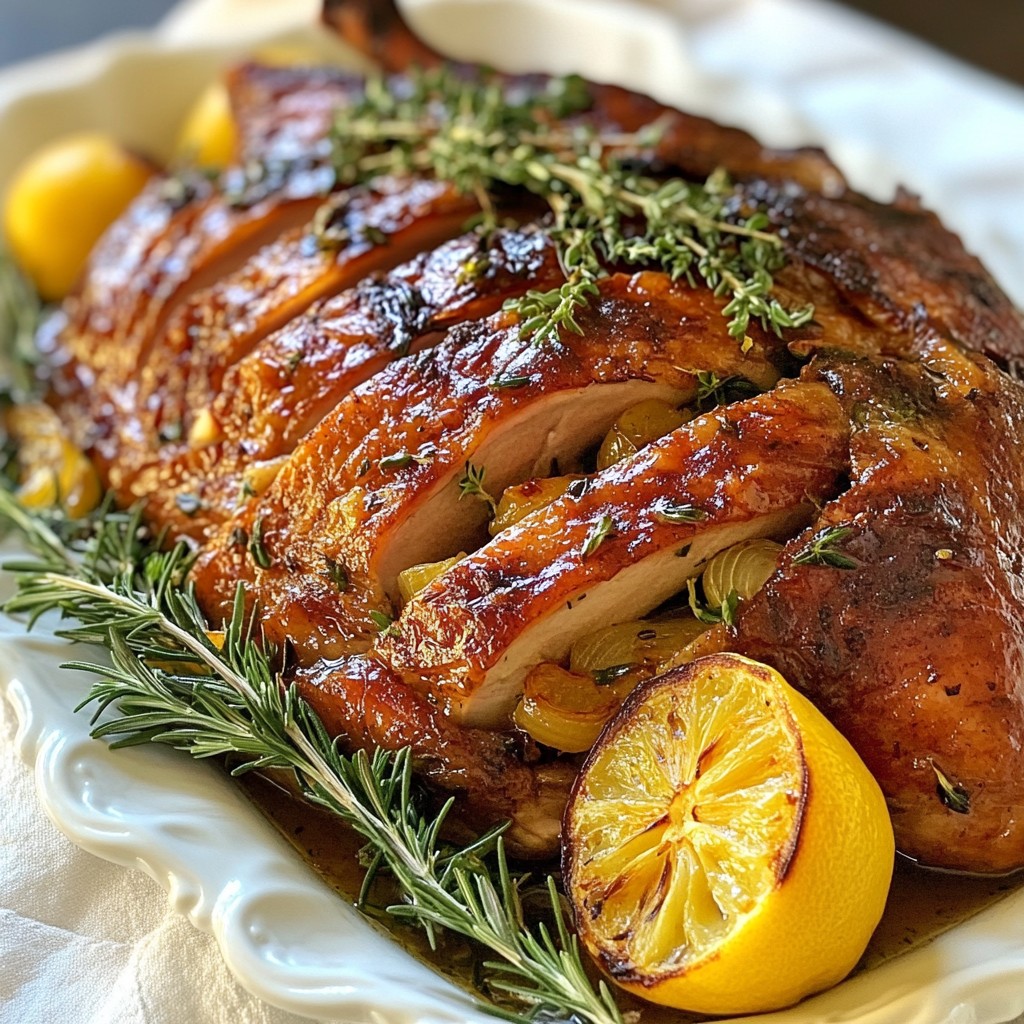
Looking to impress your guests this Thanksgiving? My Savory Thanksgiving Herb-Butter Roasted Duck is just what you need. This dish not only steals the show but also fills your kitchen with mouth-watering aromas. I'll guide you through each step, from choosing the best ingredients to achieving that perfect crispy skin. Ready to elevate your holiday meal? Let’s dive into this culinary adventure and make your Thanksgiving truly unforgettable!
Why I Love This Recipe
- Flavorful Herb Butter: The combination of fresh herbs and orange zest infuses the duck with a delightful flavor that’s perfect for Thanksgiving.
- Crispy Skin: Roasting the duck at the right temperature ensures a beautifully crispy skin that contrasts wonderfully with the tender meat.
- Moist and Juicy: Stuffing the cavity with lemon and onion, along with basting, maintains moisture, resulting in a succulent dish.
- Impressive Presentation: Carving the duck and serving it on a platter garnished with fresh herbs makes for a stunning centerpiece at any holiday table.
Ingredients
List of Ingredients
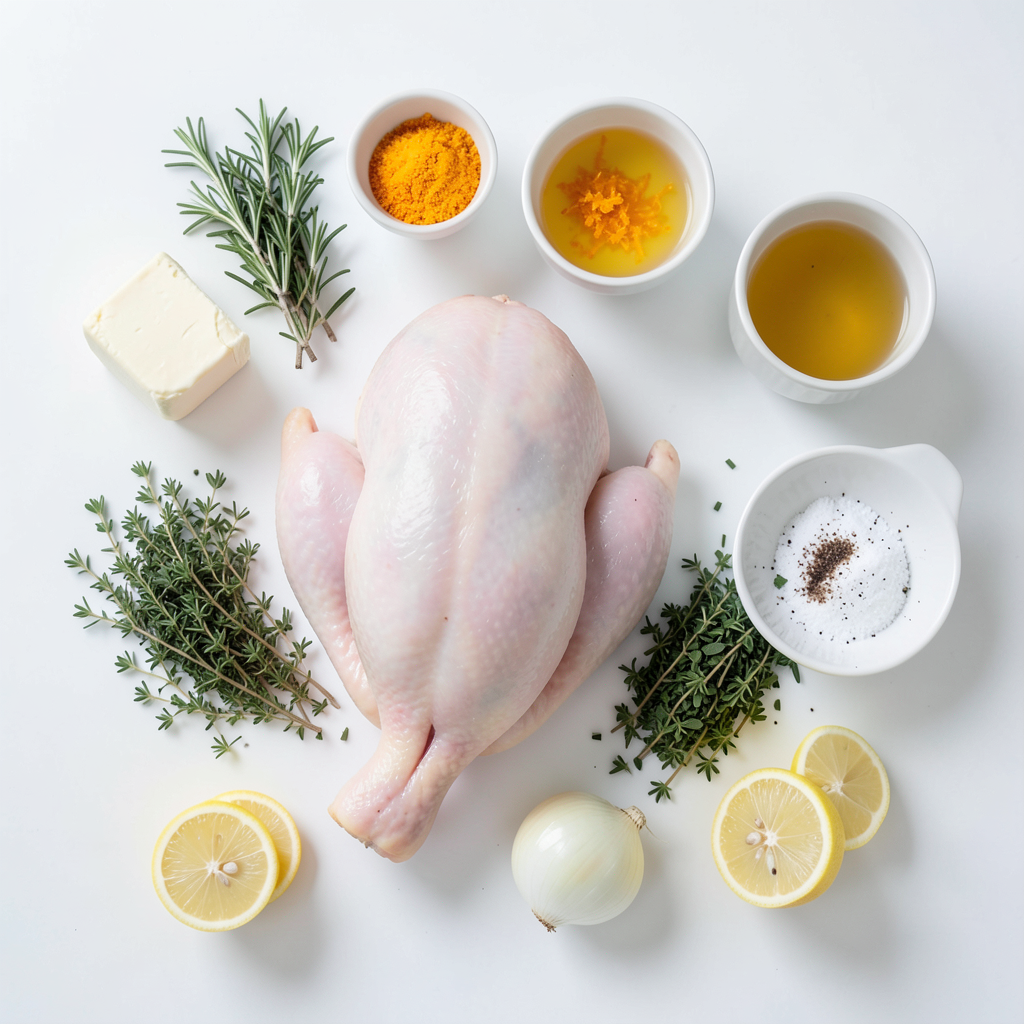
- 1 whole duck (about 5-6 pounds), thawed
- 1/2 cup unsalted butter, softened
- 2 tablespoons fresh rosemary, chopped
- 2 tablespoons fresh thyme, chopped
- 1 tablespoon fresh sage, chopped
- 1 tablespoon garlic, minced
- Juice of 1 orange
- Zest of 1 orange
- Salt and pepper to taste
- 3 cups chicken broth
- 1 lemon, quartered
- 1 onion, quartered
Recommended Quality for Ingredients
Using high-quality ingredients makes a big difference. Choose a fresh, whole duck from a trusted source. Look for ducks that are firm and have a nice layer of fat. Fresh herbs should smell bright and fragrant. Opt for unsalted butter for more control over salt levels. Fresh oranges are best for juice and zest, as they add a vibrant flavor.
Substitutions for Key Ingredients
If you can’t find fresh herbs, use dried ones. Use 1 tablespoon of dried herbs for every 3 tablespoons of fresh. In a pinch, any citrus can replace the orange juice. Lemon juice works well too. For a lighter option, consider using olive oil instead of butter, but the flavor will change. If you need a different broth, vegetable broth can work, but it may alter the taste slightly.
Step-by-Step Instructions
Preparation Steps
First, we need to get everything ready. Start by preheating your oven to 375°F (190°C). In a mixing bowl, combine 1/2 cup of softened unsalted butter, 2 tablespoons of chopped rosemary, 2 tablespoons of chopped thyme, 1 tablespoon of chopped sage, and 1 tablespoon of minced garlic. Squeeze in the juice of 1 orange and add its zest. Don’t forget to add salt and pepper to taste. Mix this all together until you have a nice herb butter.
Next, take the duck out of its packaging. Use paper towels to pat the skin dry. This helps the skin get crispy later. Now, carefully slide your hand under the skin without tearing it. This creates a pocket where we can add the herb butter. Spread the herb butter under the skin, covering both the breast and legs of the duck. Use any leftover butter to rub on the outside of the duck.
Now, season the inside of the duck with salt and pepper. Stuff it with the quartered lemon and onion to add flavor.
Roasting Process
Place the duck on a rack in a roasting pan, breast side up. Pour 3 cups of chicken broth into the bottom of the pan. This keeps the duck moist while roasting. Now, it’s time to roast! Put the duck in the oven and let it roast for 2 to 2.5 hours. You want the internal temperature to reach 165°F (74°C) and the skin to be crispy and golden brown.
Make sure to baste the duck with the pan juices every so often. This enhances the flavor and keeps it moist. When it’s done, take the duck out and let it rest for 15 to 20 minutes before carving. This helps the juices stay inside.
Tips for Achieving Perfectly Crispy Skin
To get that perfect crispy skin, here are a few tips. First, make sure the duck is dry before you start cooking. This is key for crispiness. Also, using herb butter under the skin adds flavor and keeps the skin moist, which helps with the texture.
Basting regularly with pan juices is important as well. It adds flavor and helps achieve that golden look. Finally, let the duck rest after cooking. This allows the juices to settle, keeping the meat tender and juicy.
Tips & Tricks
Enhancing Flavor Profile
To boost the flavor of your duck, use fresh herbs. Fresh rosemary, thyme, and sage add depth. Mix these herbs into the butter for a rich taste. You can also add a pinch of smoked paprika. This gives the skin a nice color and a hint of smokiness. For a citrus twist, consider adding more orange zest. This brightens up the dish and enhances the overall flavor. Feel free to experiment with your favorite spices.
Cooking Temperature Tips
Cook your duck at 375°F (190°C) for even roasting. This temperature allows the fat to render while keeping the meat juicy. Use a meat thermometer to check the internal temperature. Aim for 165°F (74°C) in the thickest part of the breast. This ensures the duck is fully cooked. Remember, cooking time may vary based on the duck’s size. Generally, allow 2 to 2.5 hours for a 5-6 pound duck.
Best Practices for Resting the Duck
After roasting, let the duck rest for 15-20 minutes. Resting lets the juices settle back into the meat. This step is crucial for moist and tender slices. Cover the duck loosely with foil to keep it warm. Avoid cutting too soon; this can cause the juices to run out. When ready, carve the duck and serve with roasted lemon and onion for a beautiful presentation.
Pro Tips
- Rest the Duck: Allow the duck to rest after roasting for 15-20 minutes. This helps the juices redistribute, ensuring a moist and flavorful meat.
- Use Fresh Herbs: Opt for fresh herbs instead of dried. Fresh herbs provide a more vibrant flavor and aroma, making the dish more aromatic and delicious.
- Baste Regularly: Basting the duck with the pan juices every 30 minutes will enhance the flavor and promote a crispy skin texture. Ensure to keep an eye on the liquid levels in the pan.
- Perfect Temperature: Use a meat thermometer to check the internal temperature in the thickest part of the breast and thigh. It should reach 165°F (74°C) for safe consumption.
Variations
Alternative Herb Combinations
You can change the taste of your duck by using different herbs. If you love a strong flavor, try using fresh oregano or dill. For a hint of spice, add some chili flakes or paprika to your herb butter. Experiment with basil for a sweet touch, or go with cilantro for a fresh twist. Each herb brings its own unique taste, making your dish special.
Glazing Options for Added Flavor
A glaze can add a nice shine and extra taste to your duck. Try a simple honey and soy sauce mix for a sweet and salty flavor. Combine maple syrup with balsamic vinegar for a rich, tangy glaze. You can also make a citrus glaze using orange or lemon juice, mixed with brown sugar. Brush the glaze on your duck during the last 30 minutes of cooking for the best results.
Sides to Pair with Roasted Duck
Roasted duck pairs well with many sides. Consider serving it with creamy mashed potatoes for a comforting touch. Roasted Brussels sprouts or green beans add a nice crunch and color. A fresh salad with citrus dressing helps balance the rich duck flavor. Don’t forget about cranberry sauce; its tartness perfectly complements the savory taste of the duck. These sides will elevate your Thanksgiving meal and make it unforgettable.
Storage Info
Storing Leftovers
After your feast, let the duck cool down. Wrap the leftovers tightly in plastic wrap. This helps keep the duck moist and tasty. Store it in the fridge for up to four days. For best results, slice the duck before storing. This makes it easy to grab when you’re hungry.
Reheating Recommendations
When you’re ready to enjoy leftovers, preheat your oven to 350°F (175°C). Place the duck in a baking dish. Add a splash of chicken broth to keep it moist. Cover it with foil to prevent drying out. Heat for about 20-25 minutes, or until warm. You can also reheat slices in a skillet over low heat. This will keep the meat juicy.
Freezing Options for Duck
If you have lots of leftovers, consider freezing them. Wrap the duck tightly in foil or freezer bags. Label with the date, so you remember when you froze it. Duck can stay fresh in the freezer for up to three months. To thaw, place it in the fridge overnight before reheating. This ensures it stays safe and tasty.
FAQs
How to Know When the Duck is Fully Cooked?
You can check if the duck is fully cooked by using a meat thermometer. Insert it into the thickest part of the thigh without touching the bone. The duck is done when it reaches an internal temperature of 165°F (74°C). The skin should also be crispy and golden brown. If you see clear juices running from the thigh, the duck is ready. Always double-check to avoid undercooking.
Can I Cook a Frozen Duck?
Yes, you can cook a frozen duck, but it will take longer. I recommend thawing it in the fridge for 1-2 days before cooking. If you are in a hurry, you can run cold water over the duck for quicker thawing. Cooking a frozen duck directly will add about 50% more time to your cooking. Make sure it reaches 165°F (74°C) for safety.
What to Serve with Herb-Butter Roasted Duck?
Roasted duck pairs well with many sides. I suggest serving it with:
- Garlic mashed potatoes
- Roasted Brussels sprouts
- Green beans with almonds
- Cranberry sauce for a sweet touch
- A fresh salad with citrus dressing
These sides will balance the rich flavors of the duck and make your meal complete.
In this post, we explored the key ingredients needed for roasting duck, including quality tips and substitutions. We then covered the step-by-step process for preparation, roasting, and achieving that crispy skin. We shared helpful tips to enhance flavor, cooking temperatures, and resting methods. Lastly, we discussed variations, storage advice, and answered common questions.
Roasting duck can be fun and rewarding. With the right approach, you can impress anyone at your table. Enjoy your culinary adventure!